Invergordon
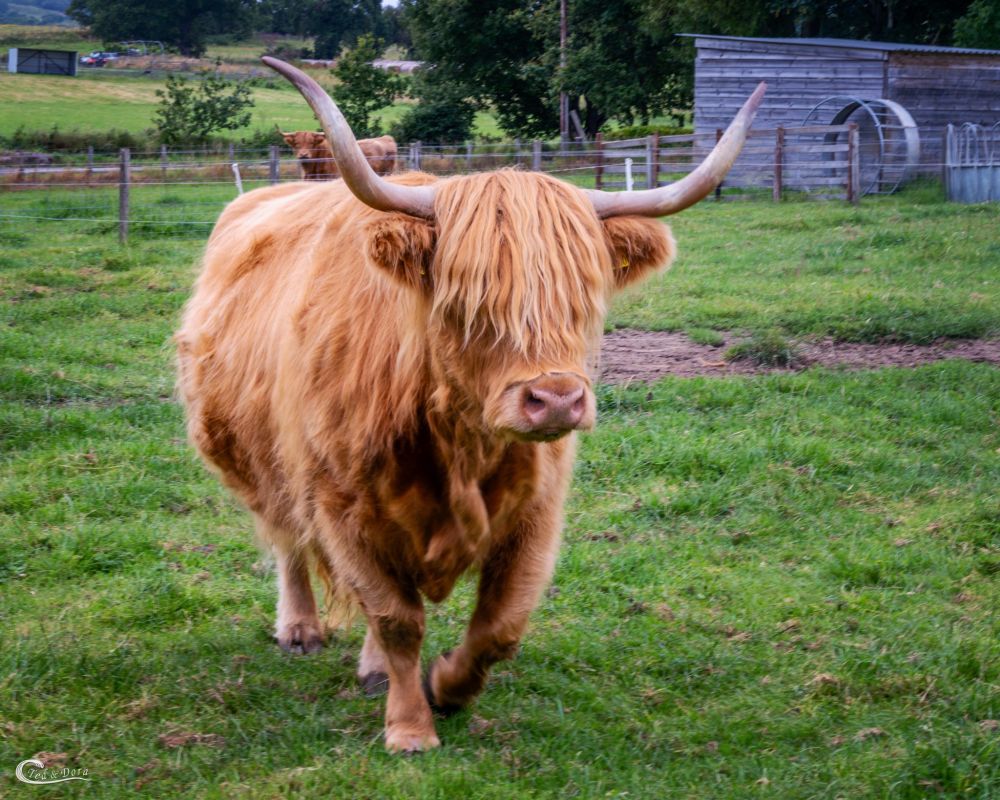
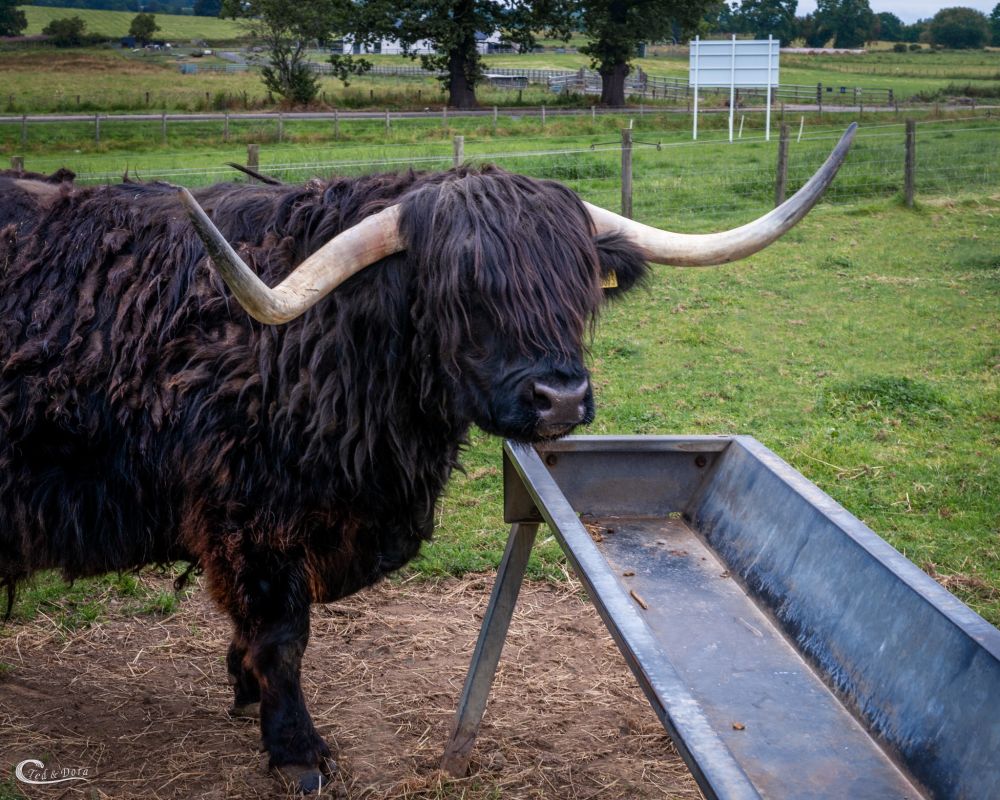
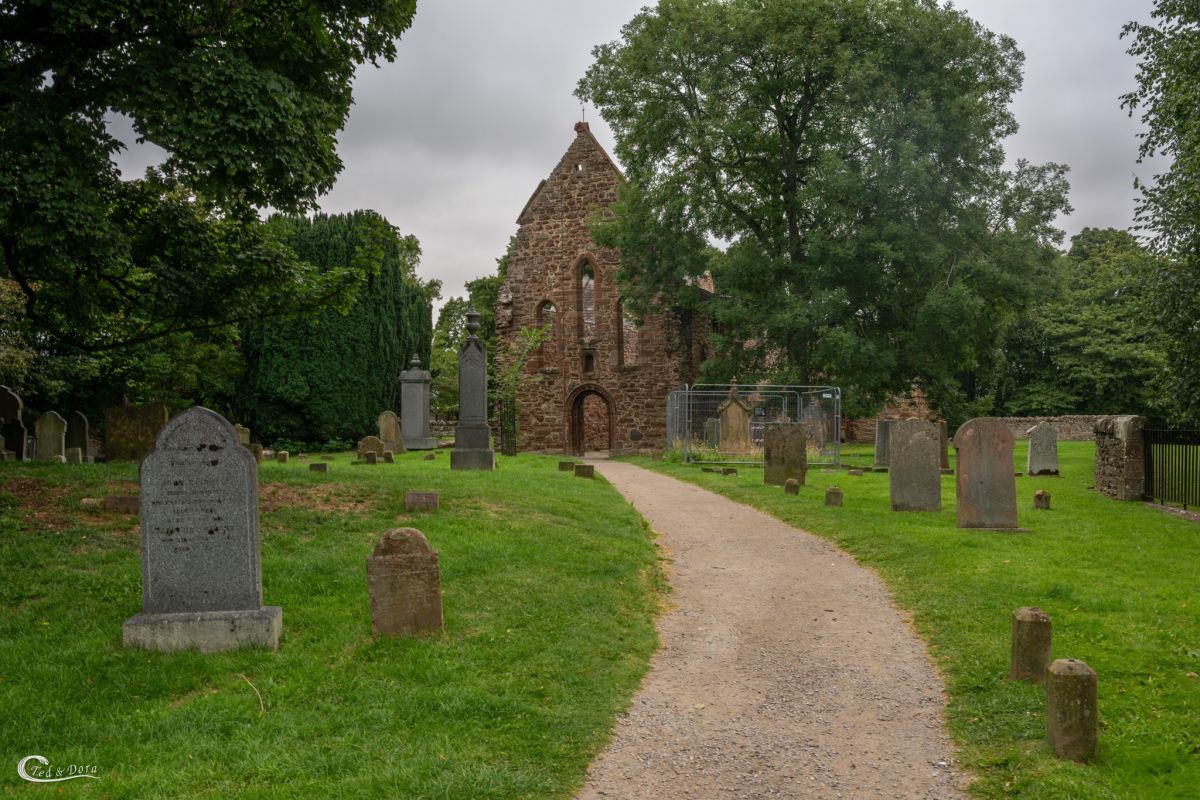
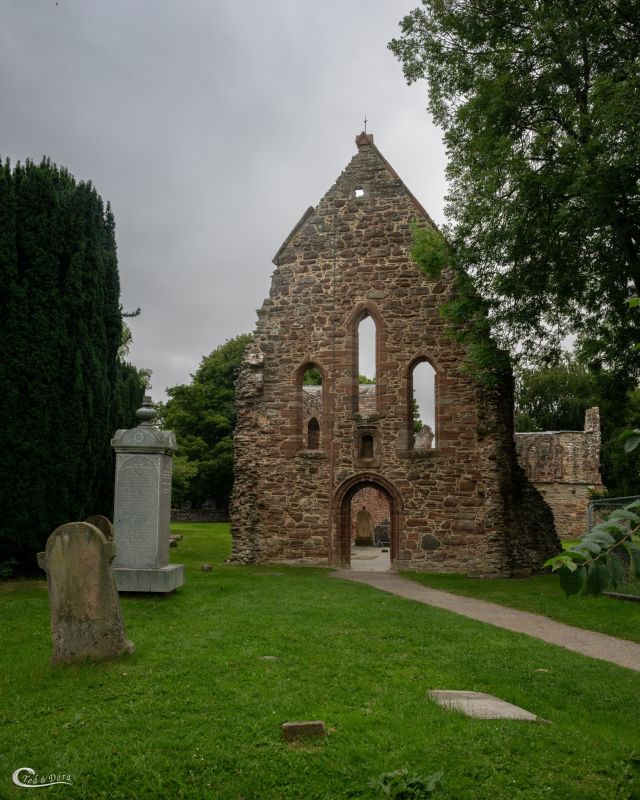
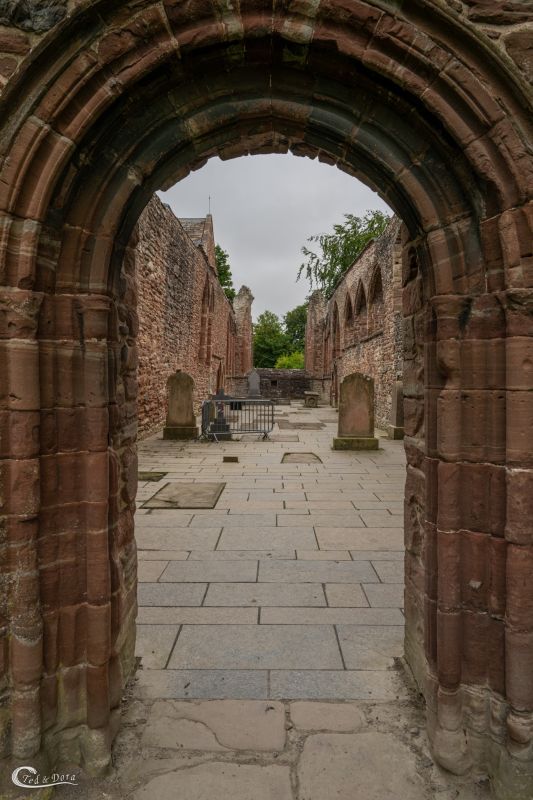
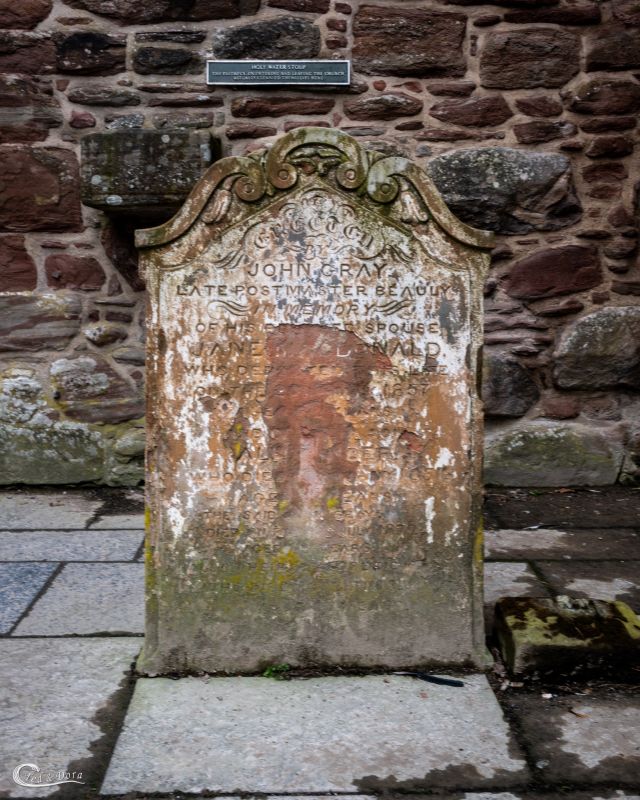
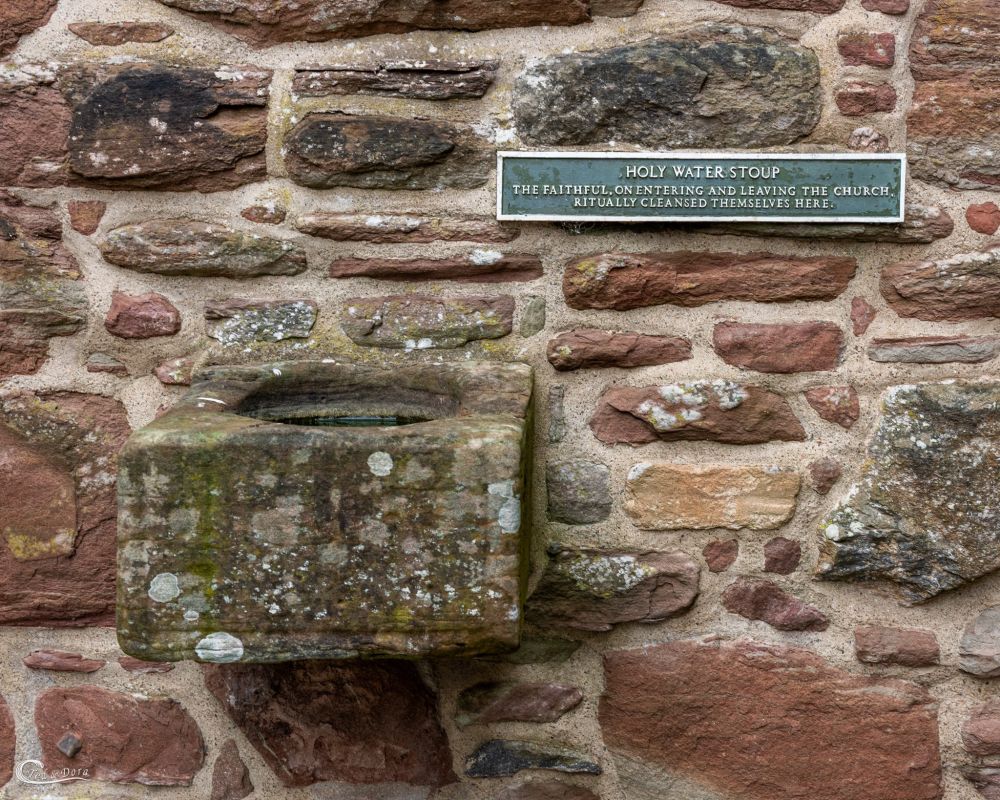
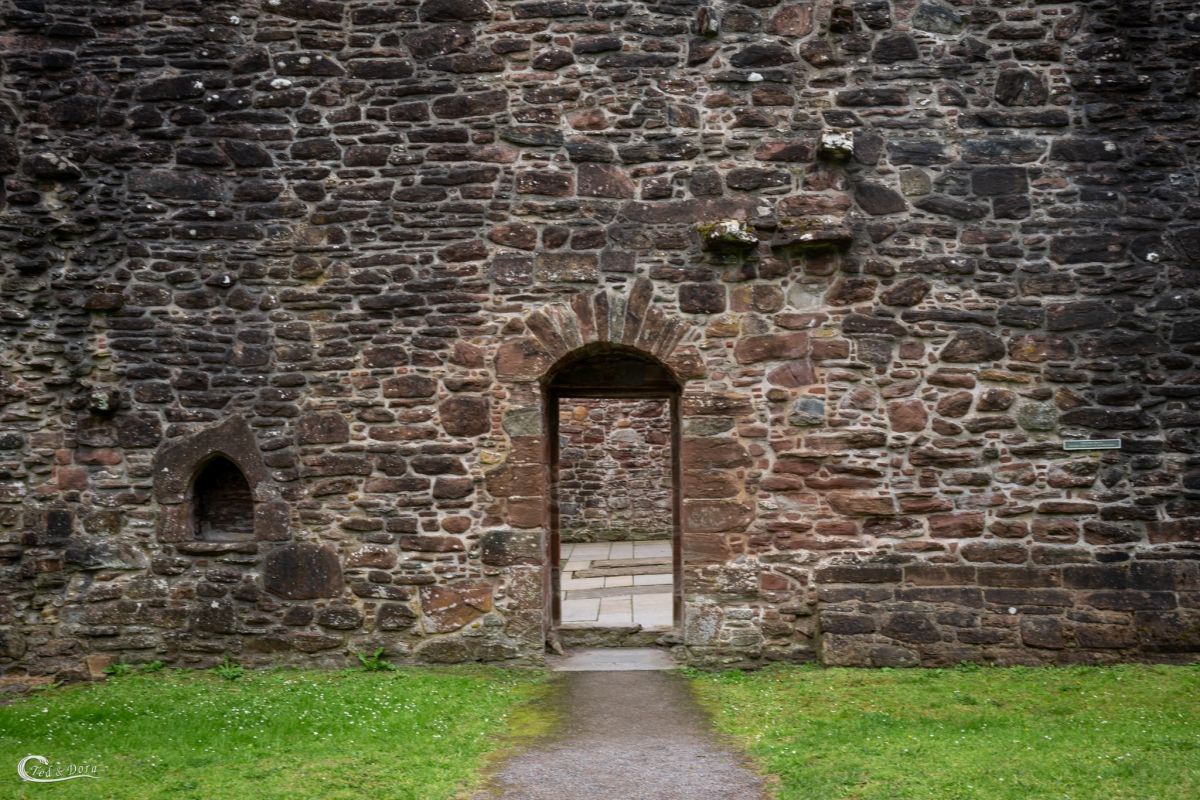
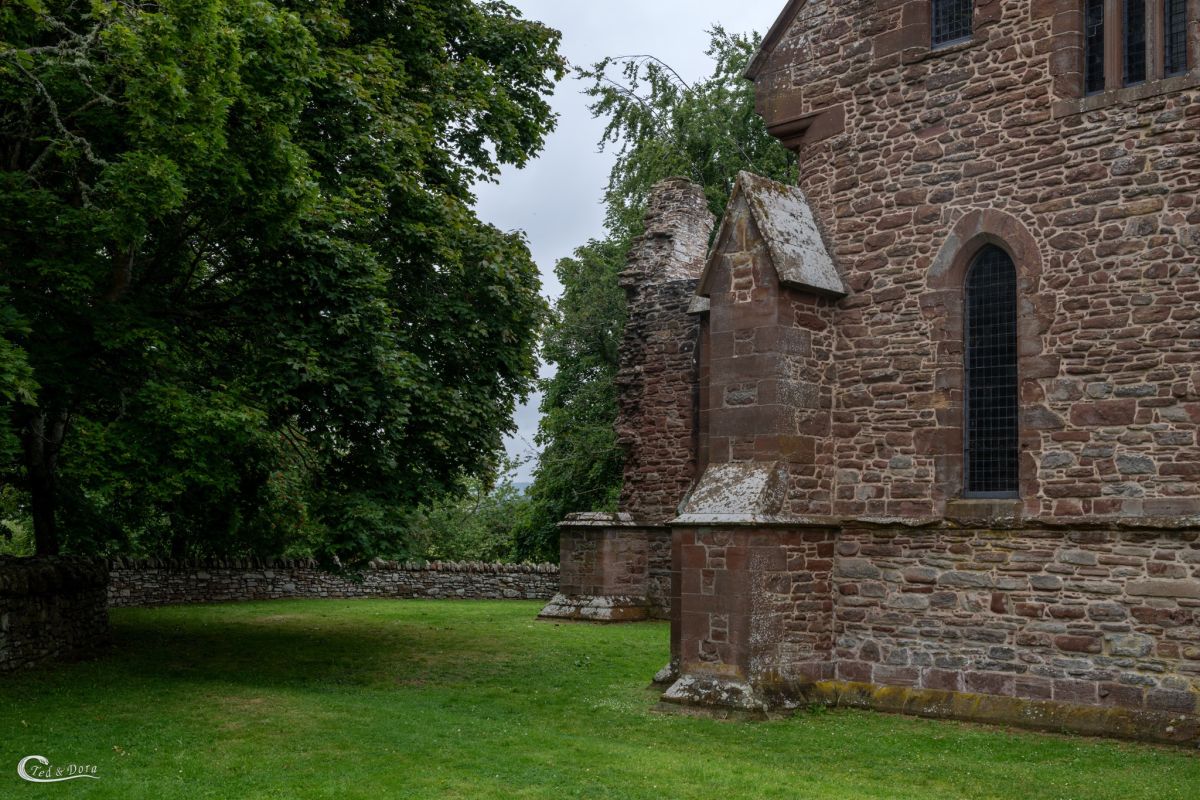
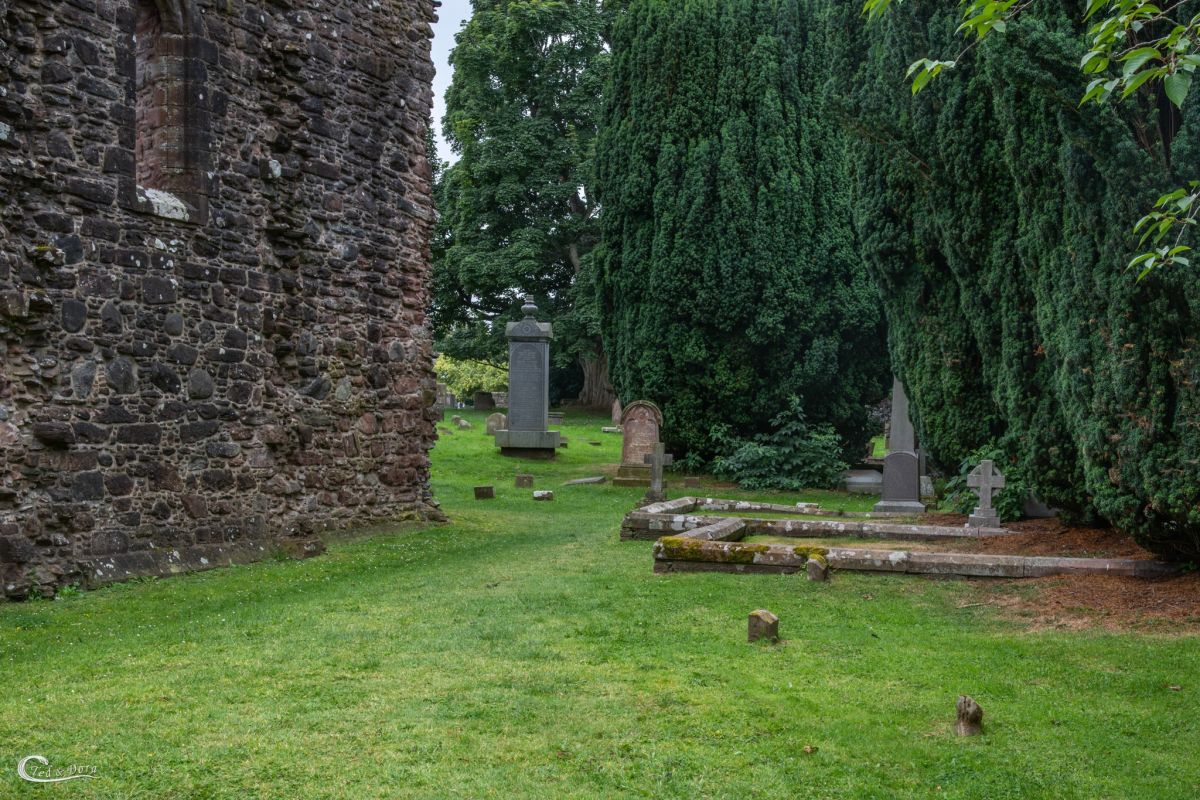
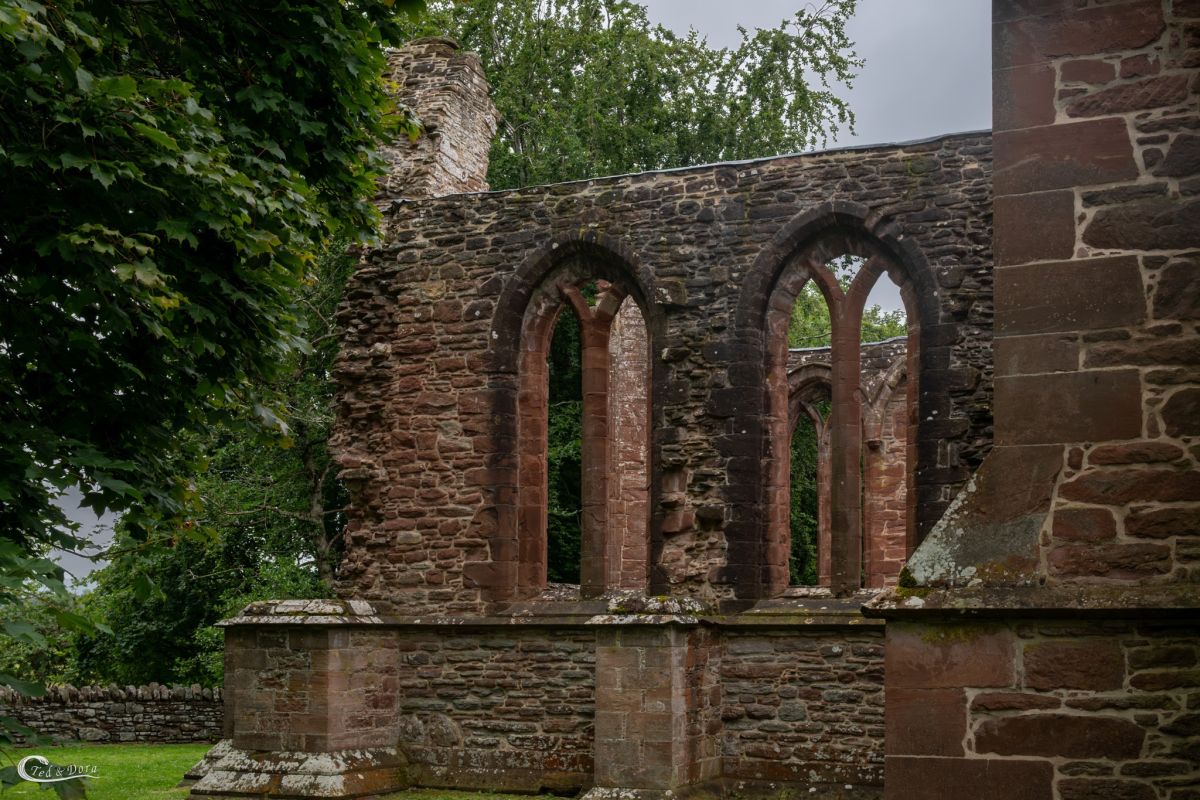
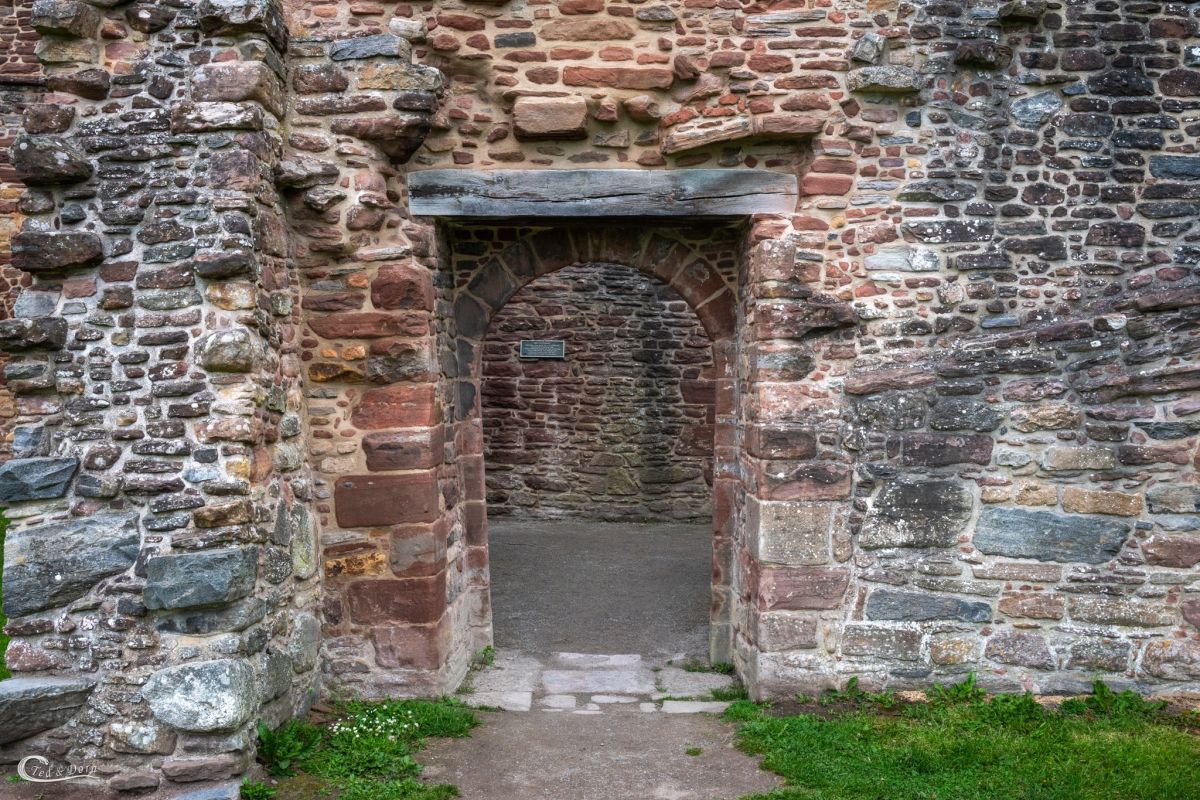
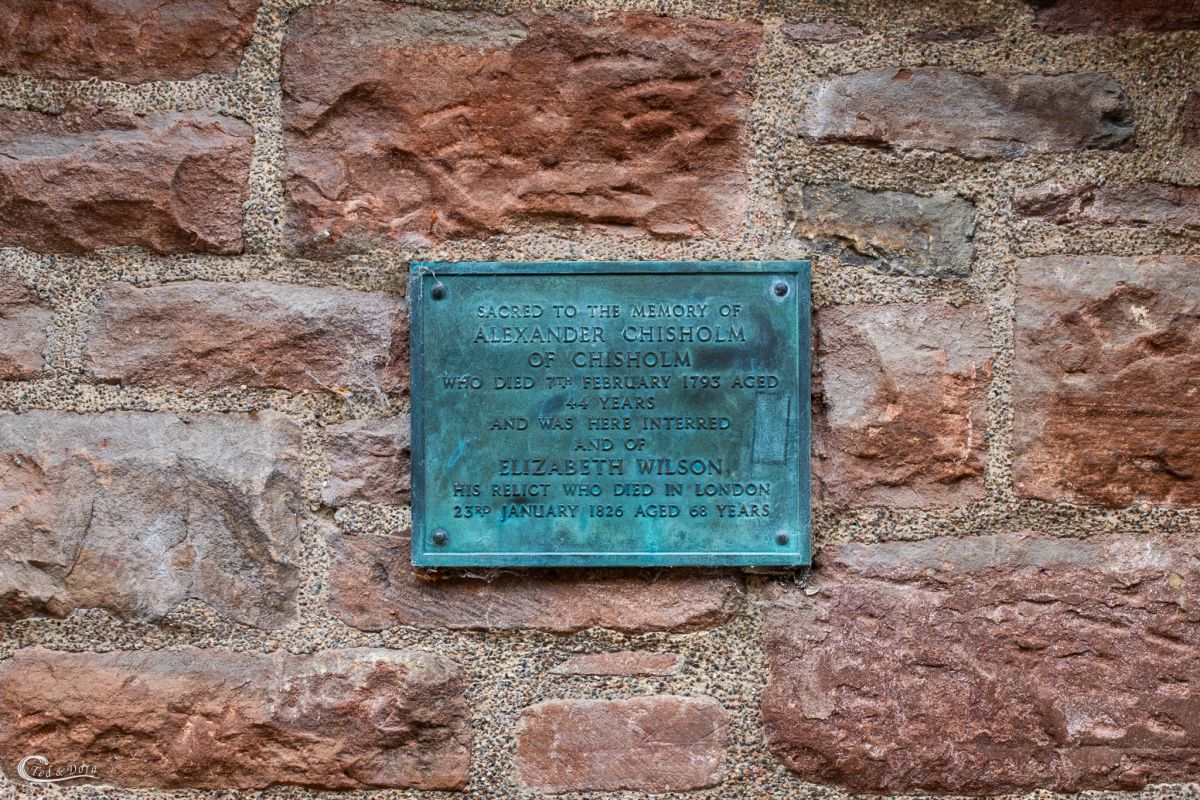
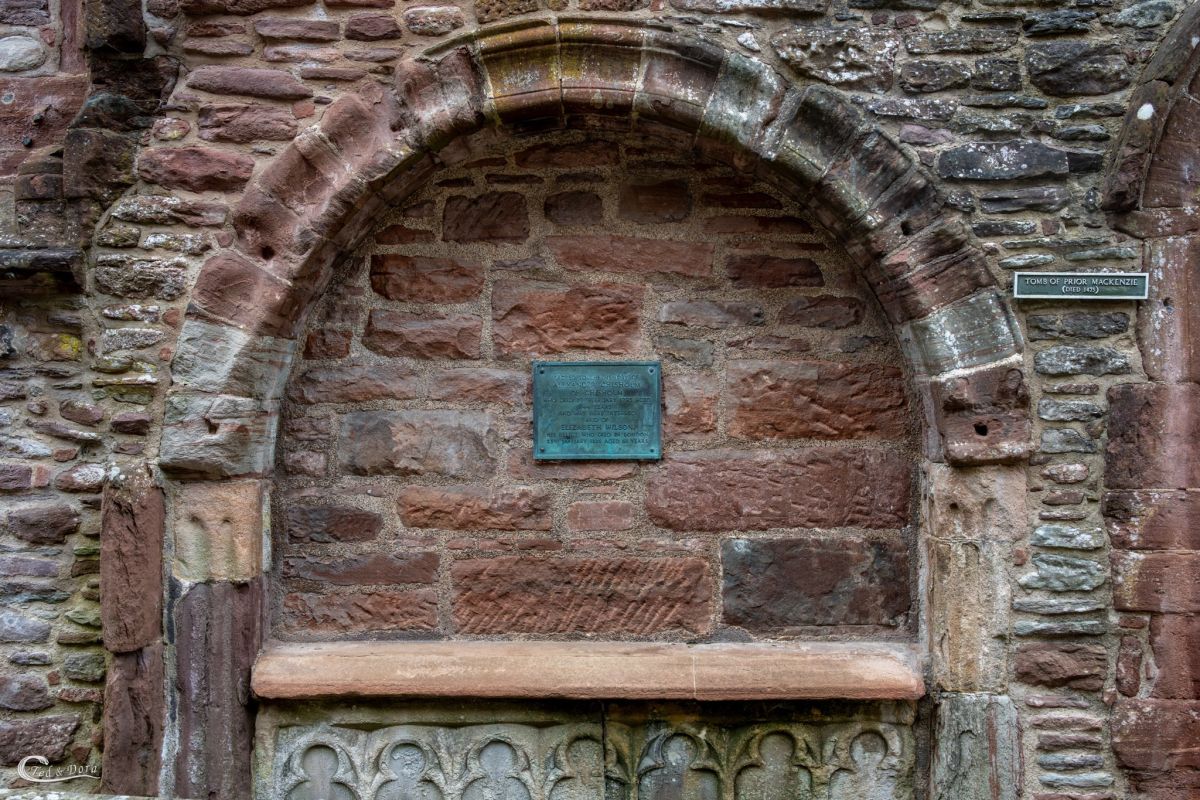
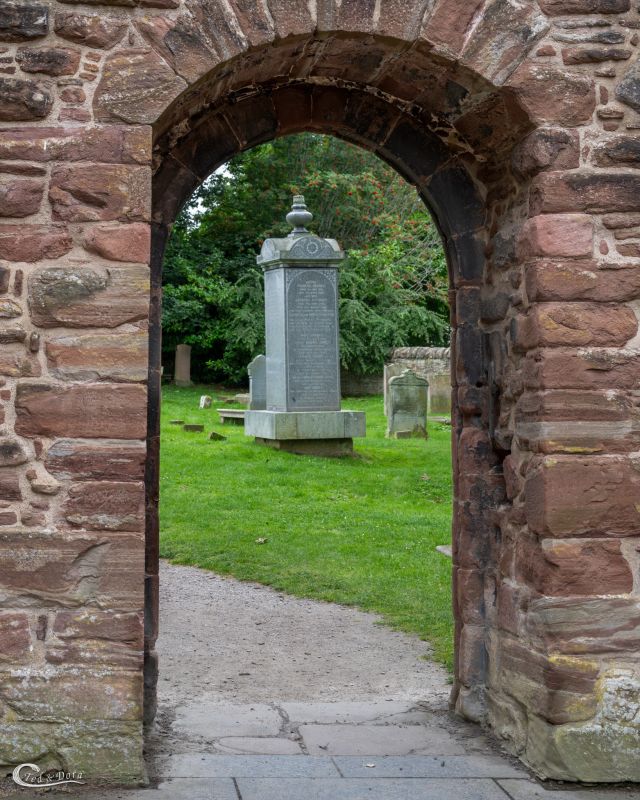
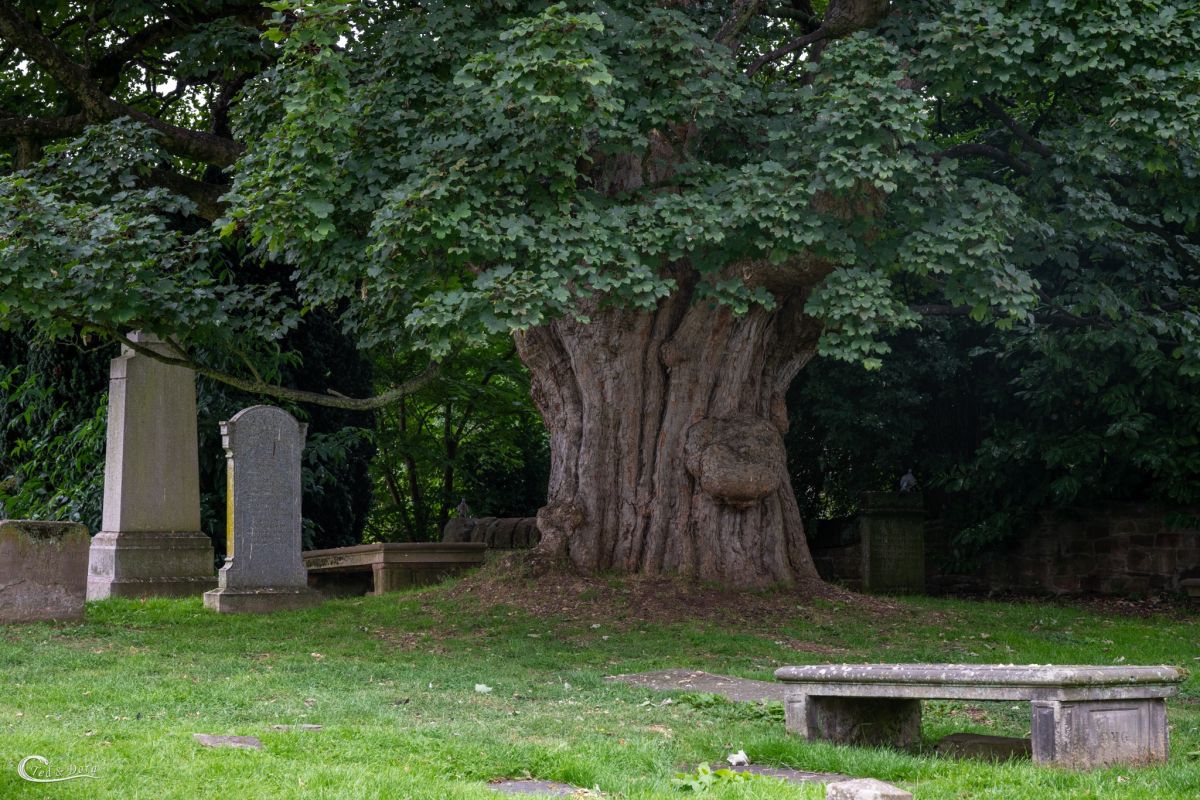
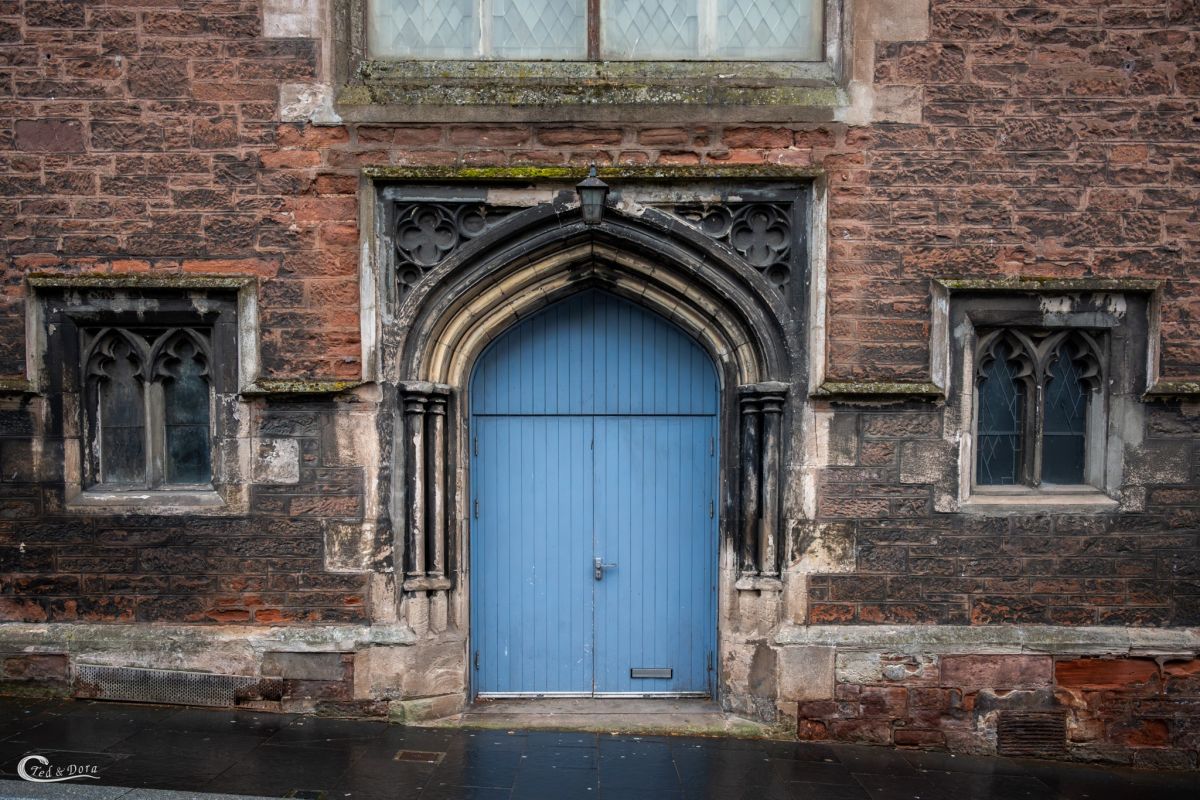
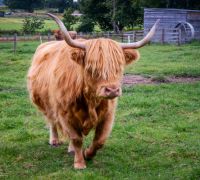
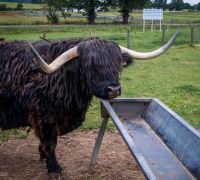
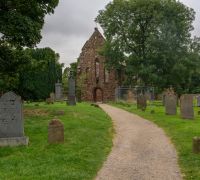
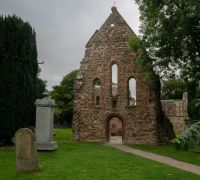
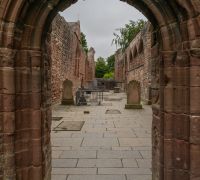
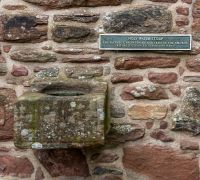
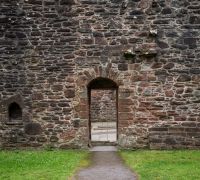
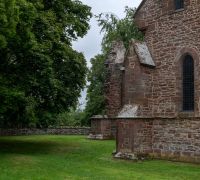
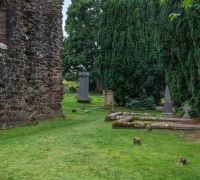
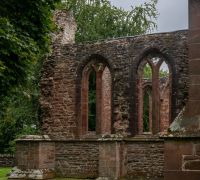
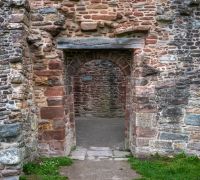
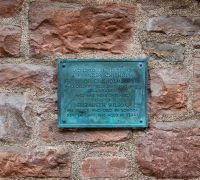
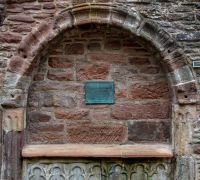
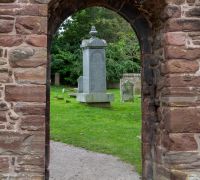
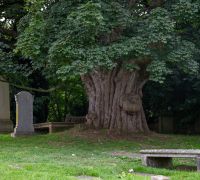
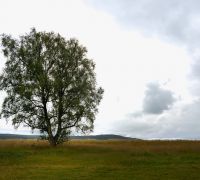
The stop at Invergordon gave us the opportunity to explore the Scottish Highlands. After seeing a couple of Highland cows we head to Beauly Priory, Highlands, Scotland. The name in French, Beau Lieu, means a beautiful place. Mary, Queen of Scots, visited here in 1564. In Gaelic it means "place of the monks". You'll see a big old tree in the photos. It is dated to be more than 200 years old.
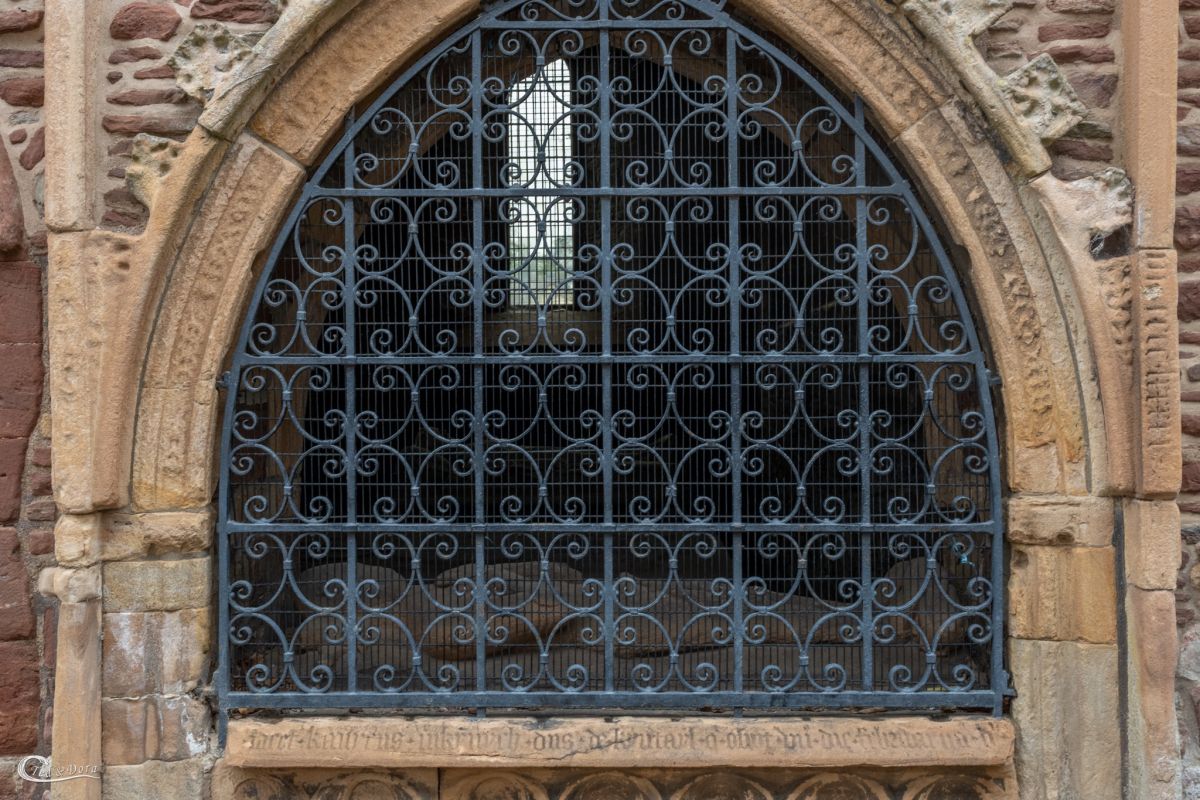
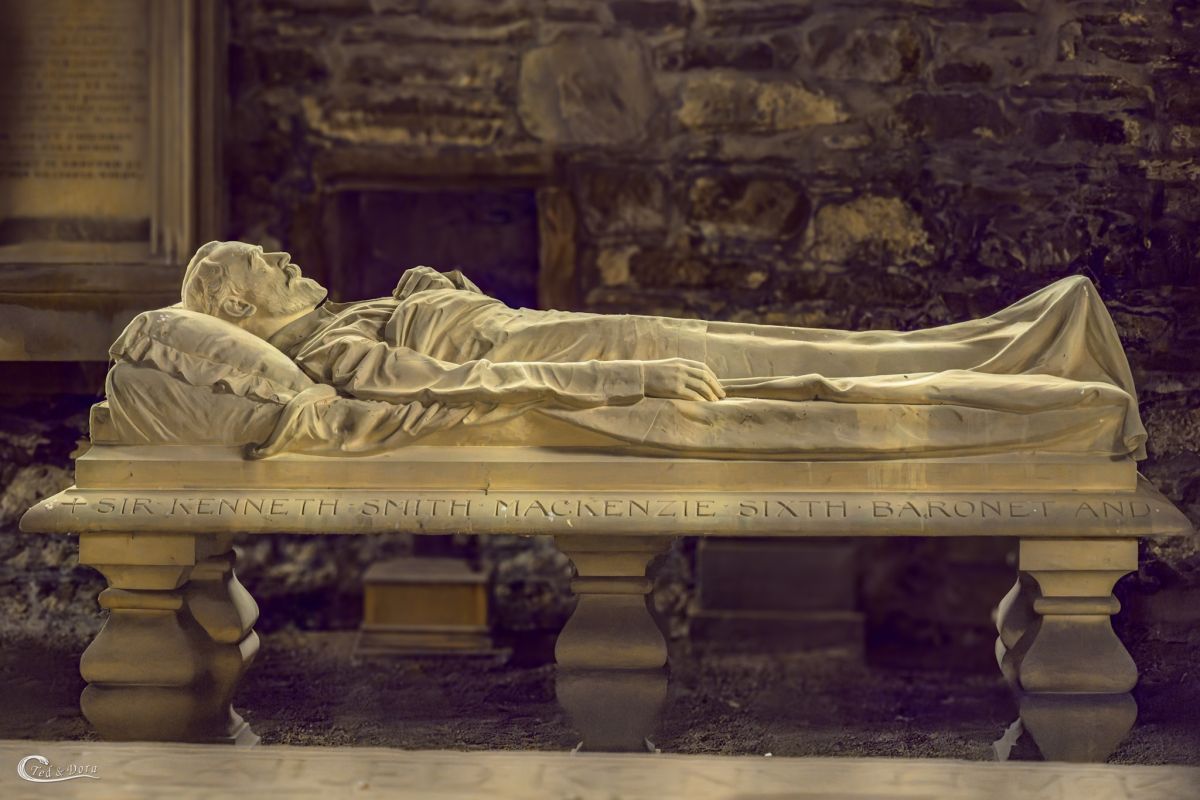
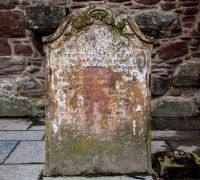
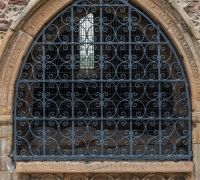
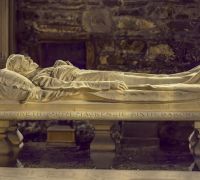
There is a photo in this group of the tomb of Sir Kenneth Smith Mackenzie. He was the 6th baronet and the 13th feudal baron of Gairloch. He was the hereditary owner of 170,000 acres of land in Ross-shire. Sir Kenneth Smith Mackenzie died in 1900 at the age of 67 and was interred at Beauly Priory in Beauly, Highland, Scotland. The tomb is located in a room that has no access and is only visible through a window with iron screening, making a clear view impossible. I was fortunate to be able to photograph through the iron work and recover enough detail to reveal the beautiful workmanship of the tomb.
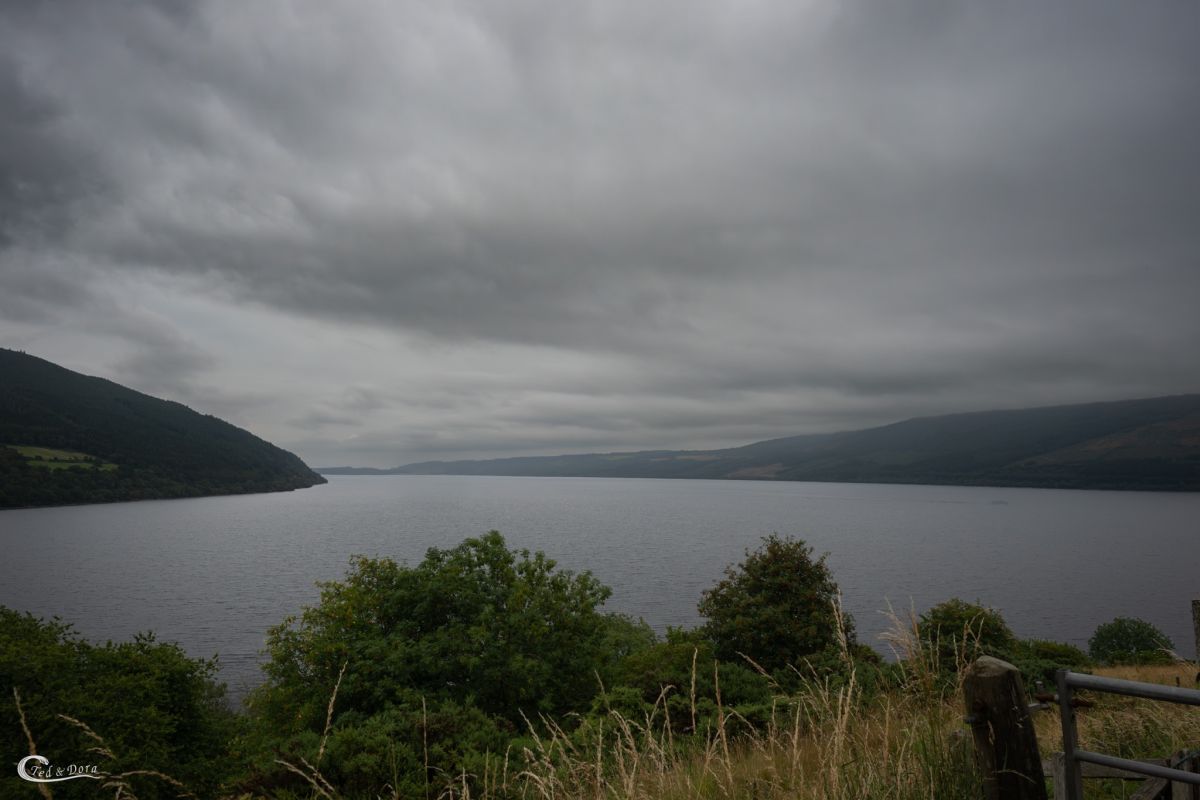
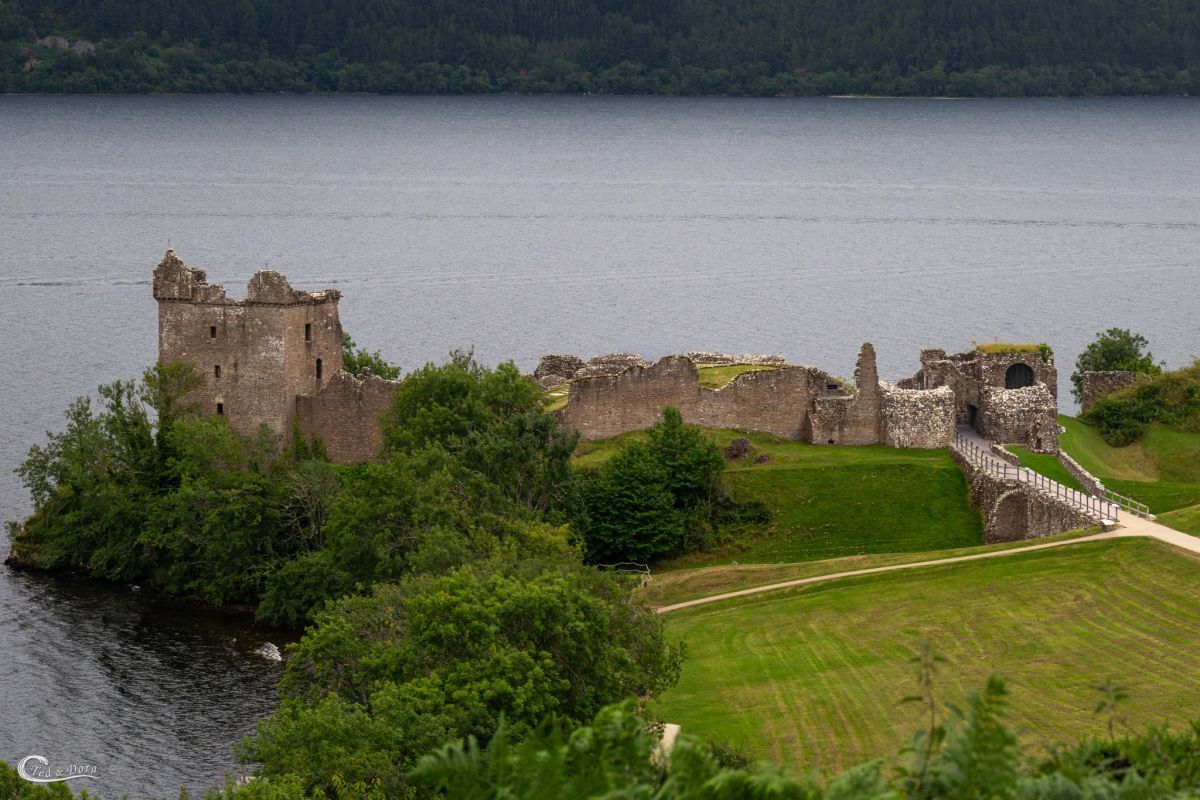
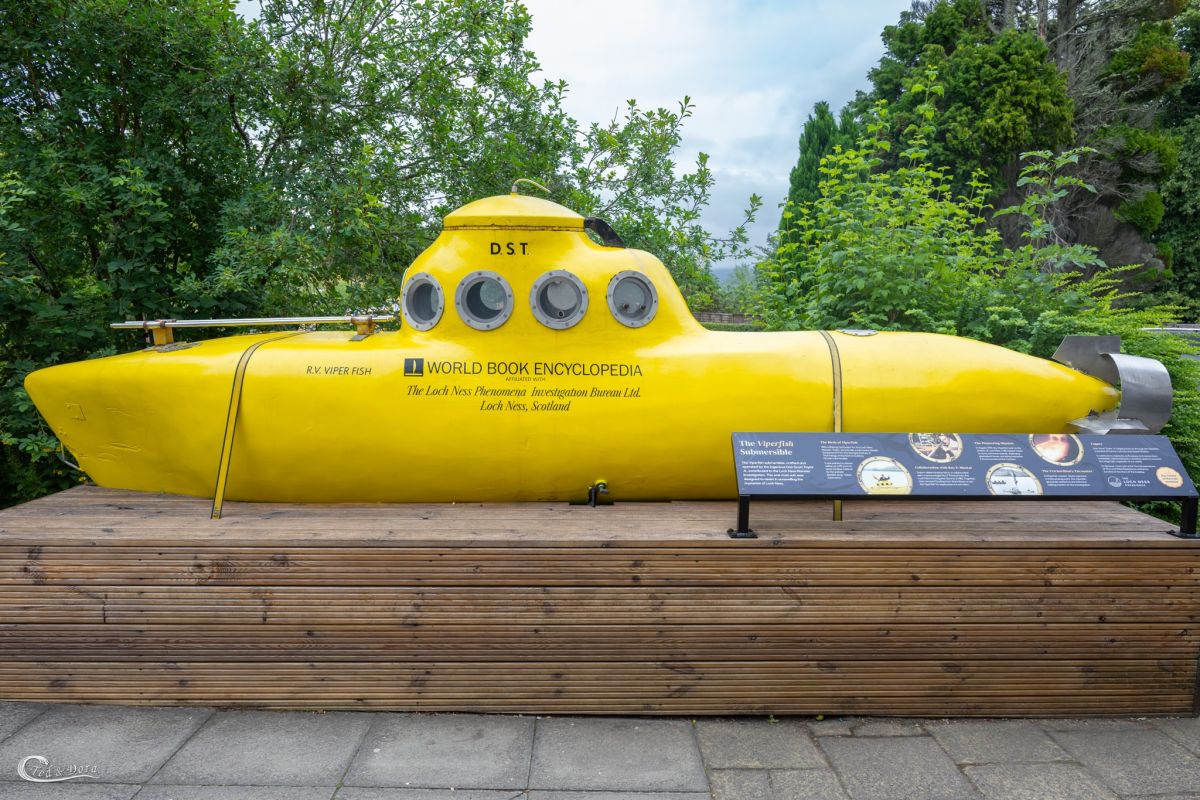
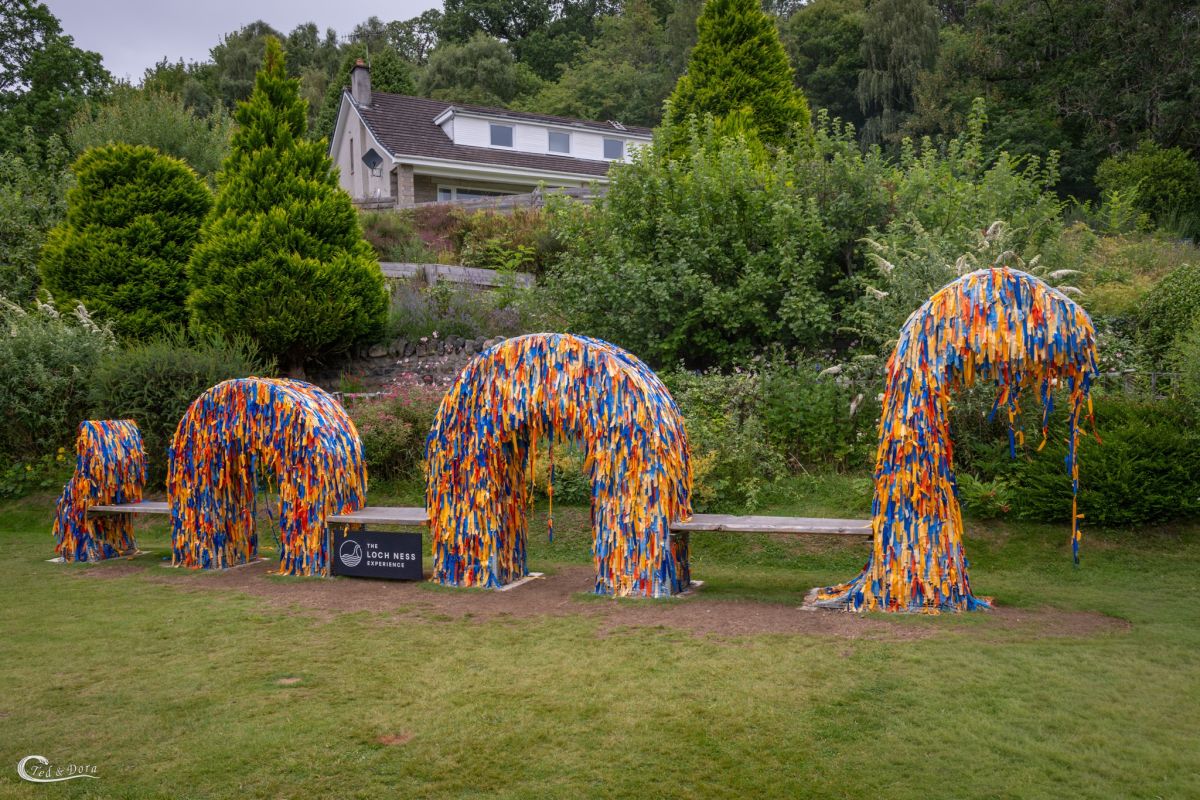
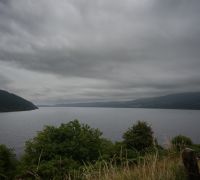
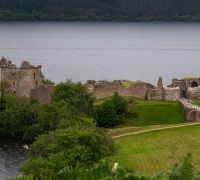
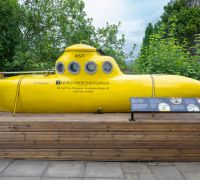
Our next stop was Loch Ness. No sighting of Nessie, but fun all the same. The yellow submarine was used to explore Loch Ness and determine how deep it was. Its maximum depth is 755 feet.
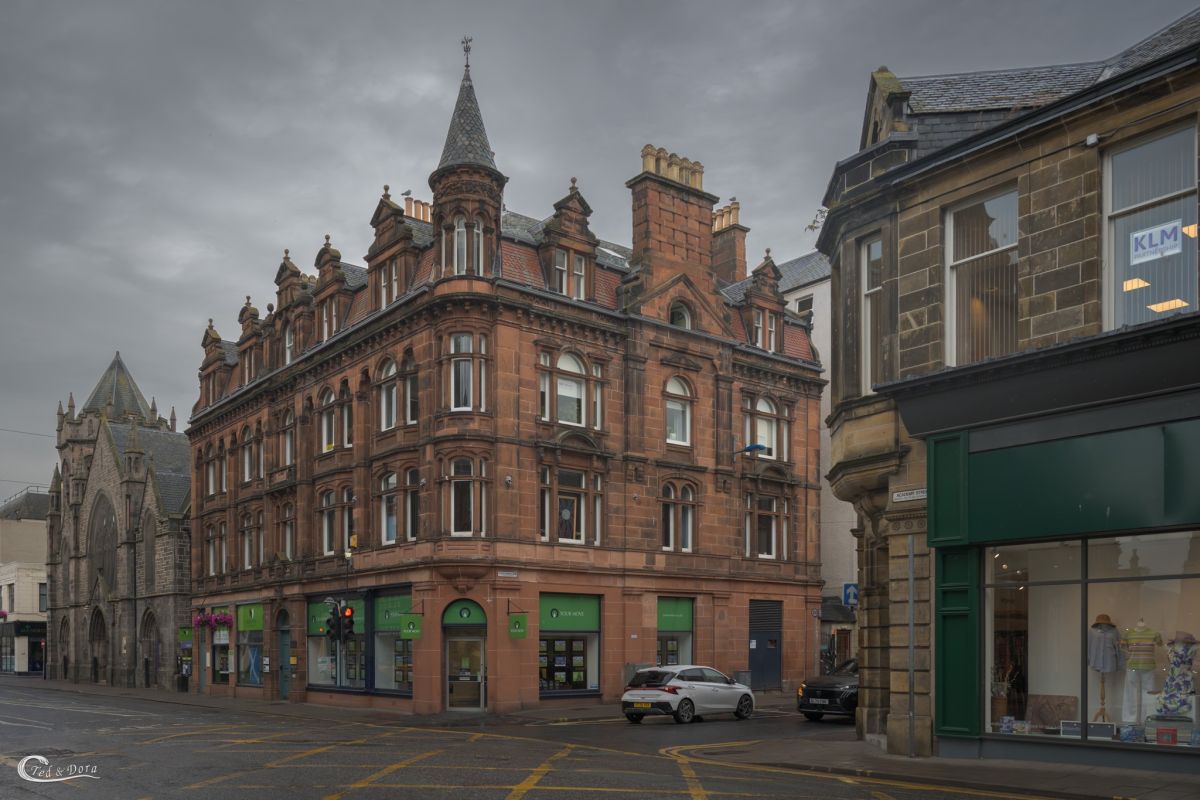
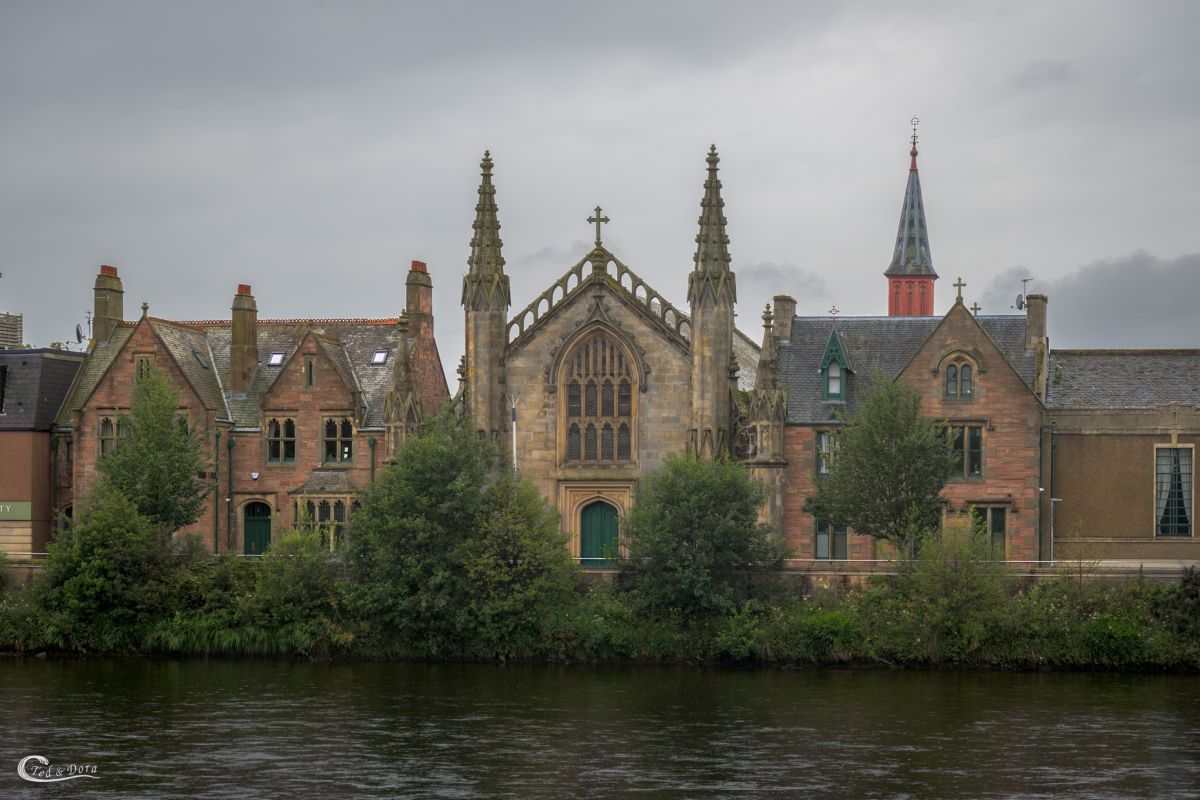
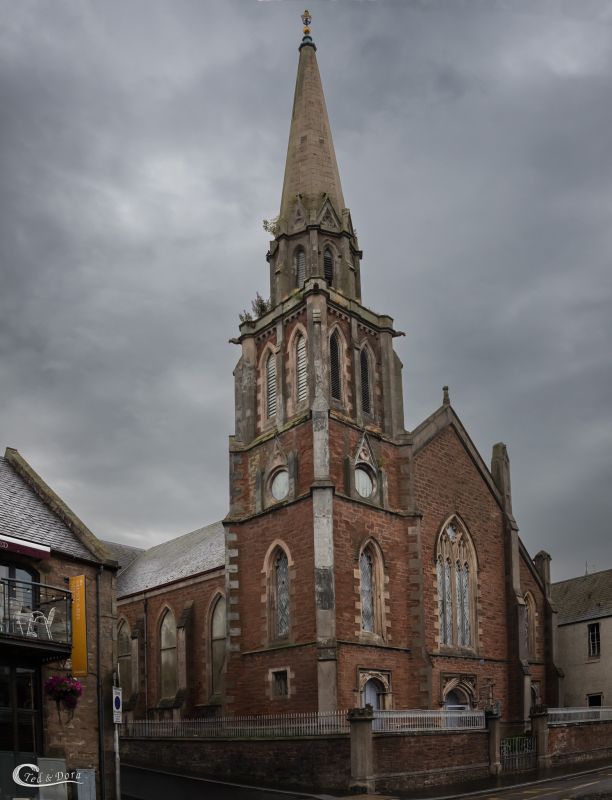
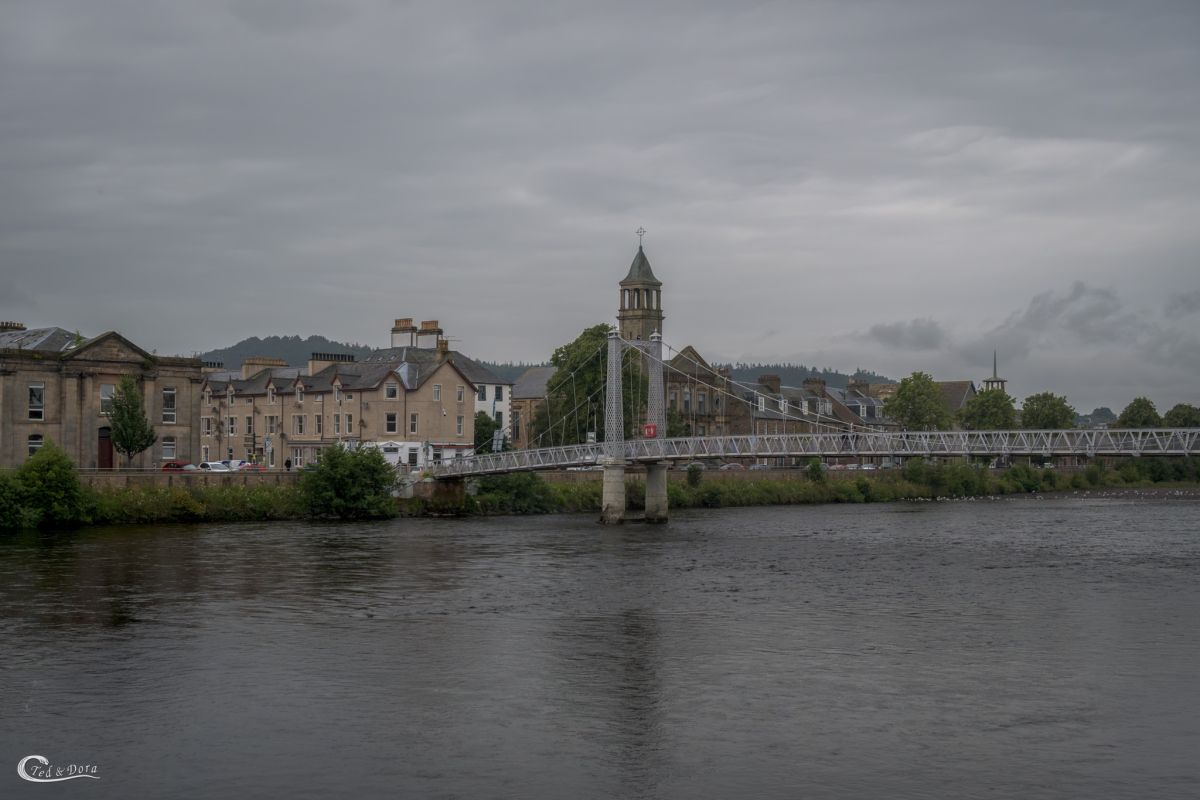
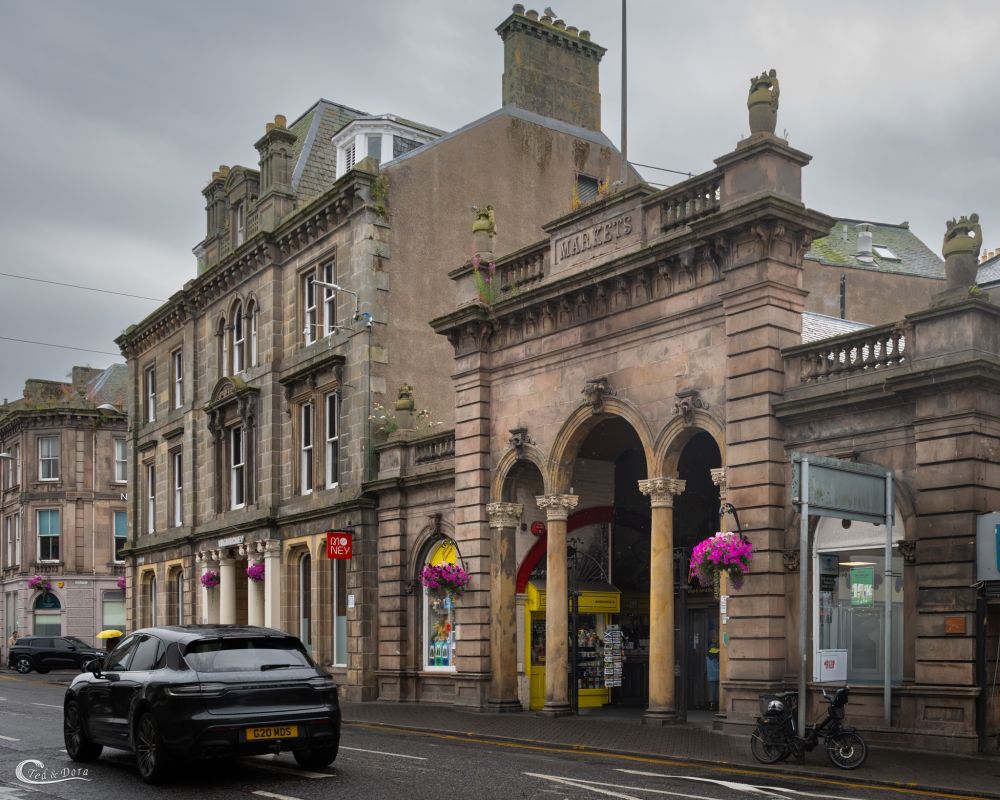
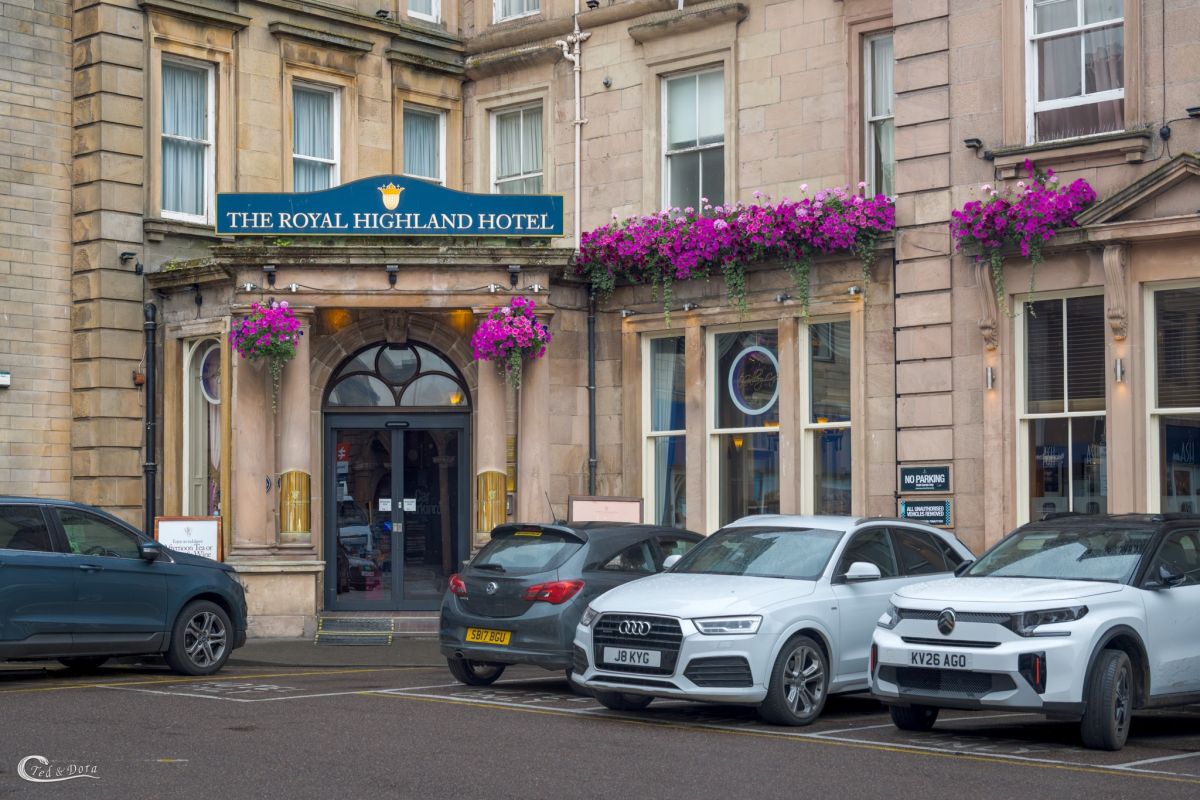
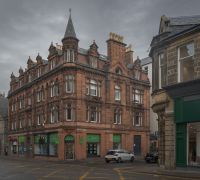
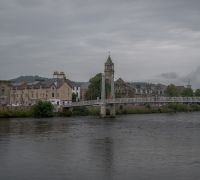
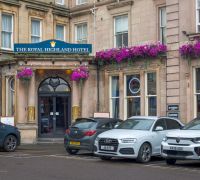
We made a stop for lunch in Inverness. It was a busy day and we still had a lot to see.
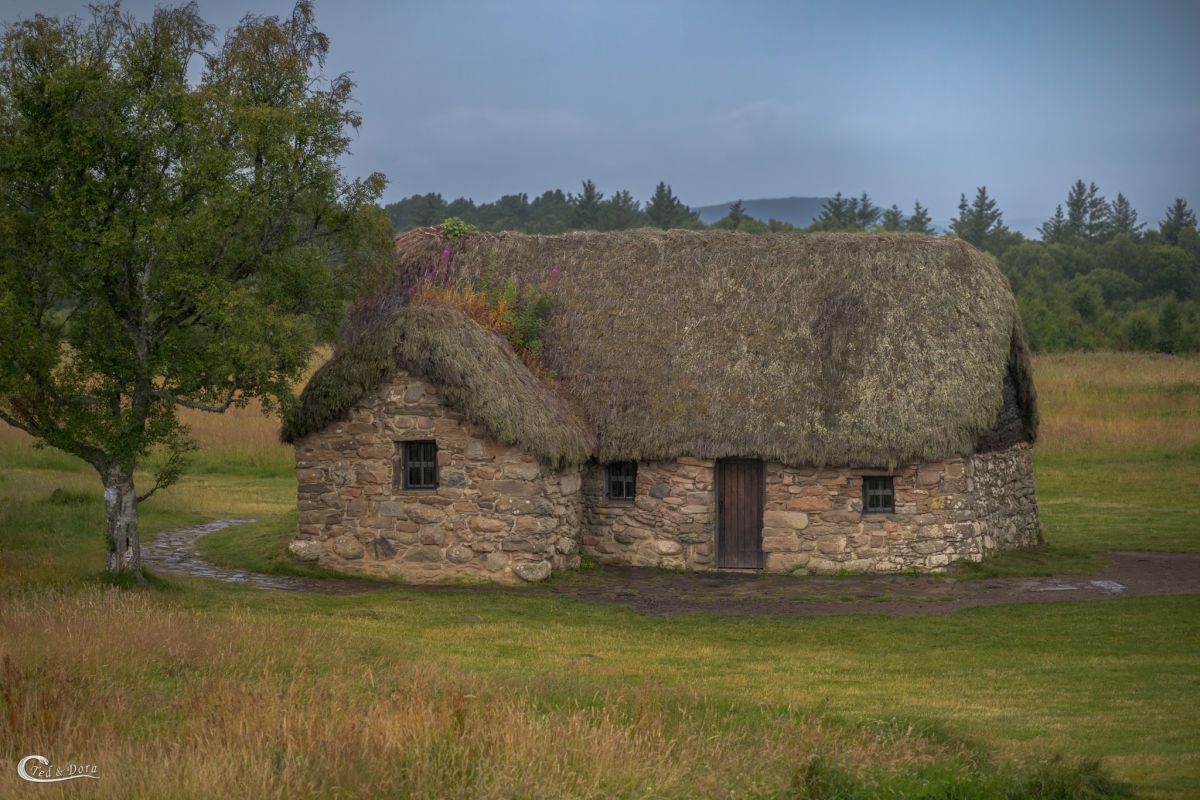
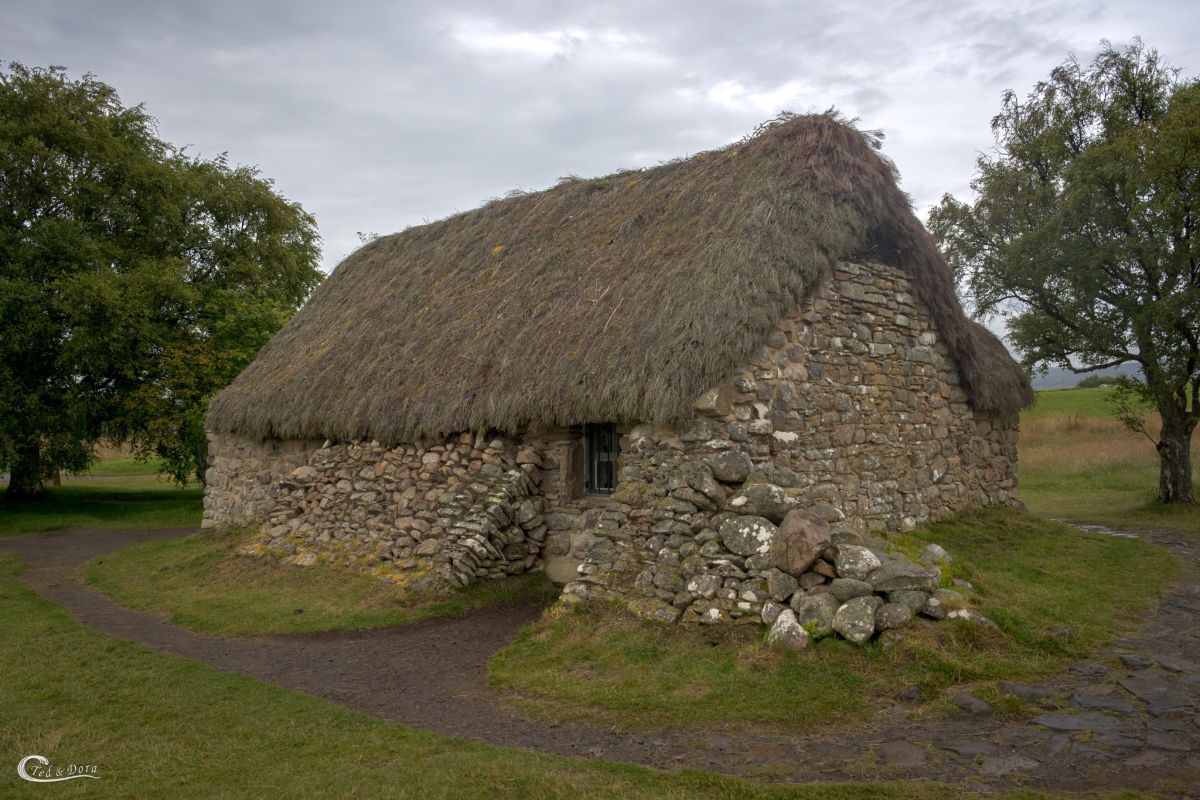
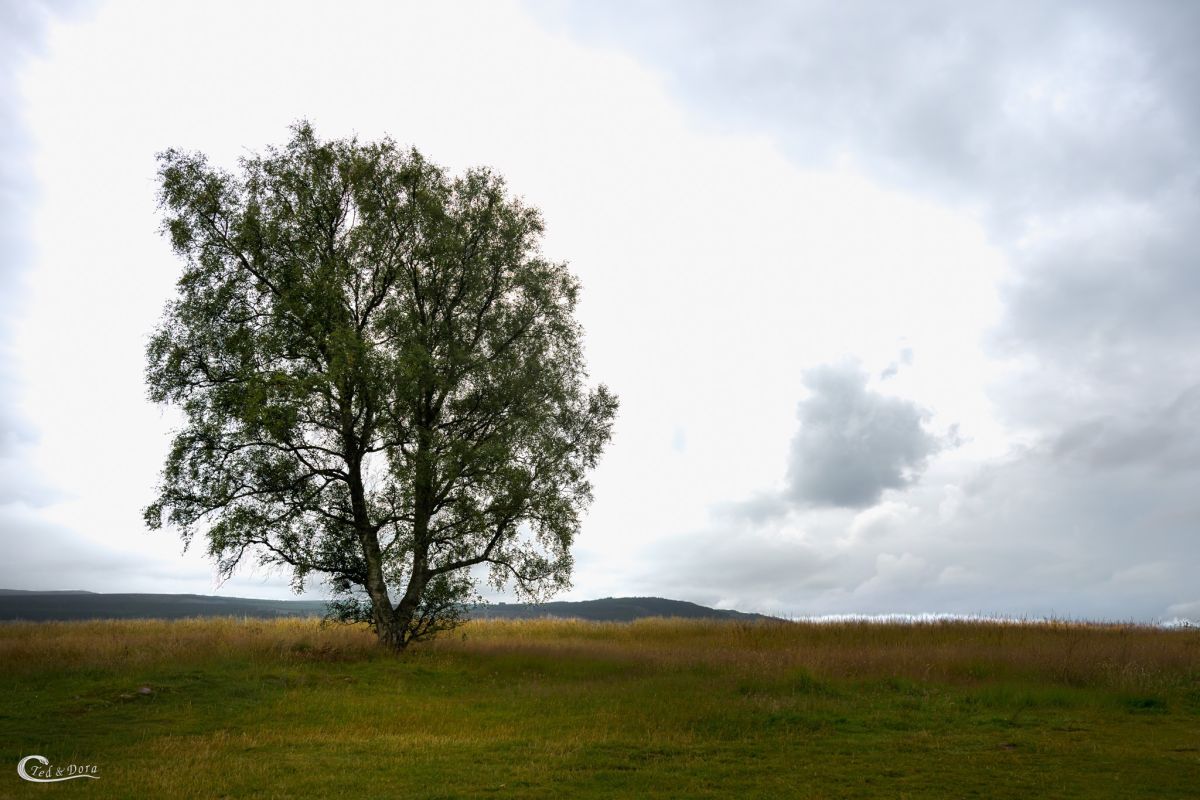
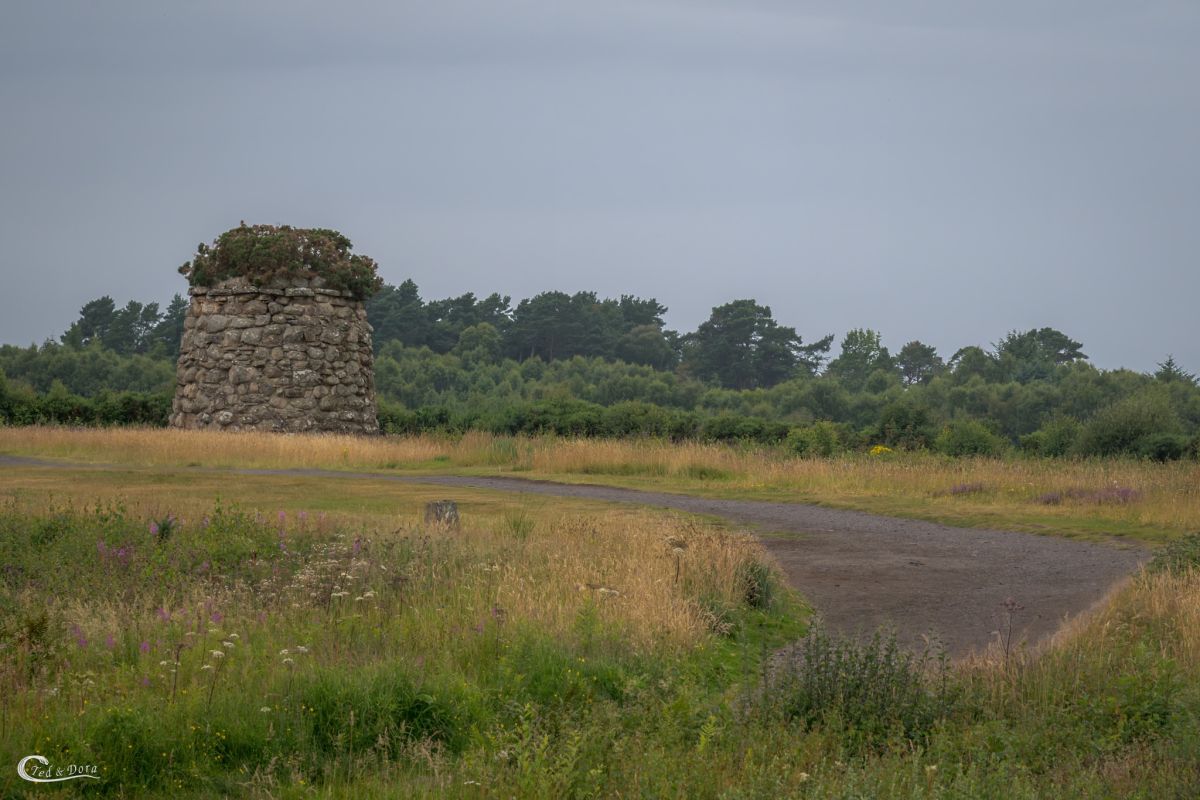
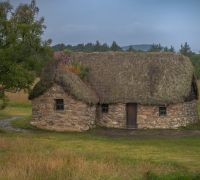
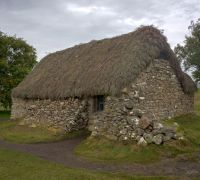
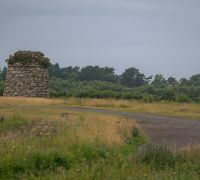
A short drive took us to Culloden. The Battle of Culloden took place on 16 April 1746, near Inverness, in the Scottish Highlands. A Jacobite army under Charles Edward Stuart (Bonnie Prince Charlie) was decisively defeated by a British government force commanded by the Duke of Cumberland. The battle was brief, lasting less than an hour, with the Jacobites suffering an overwhelming and bloody defeat, thereby ending the Jacobite rising of 1745.
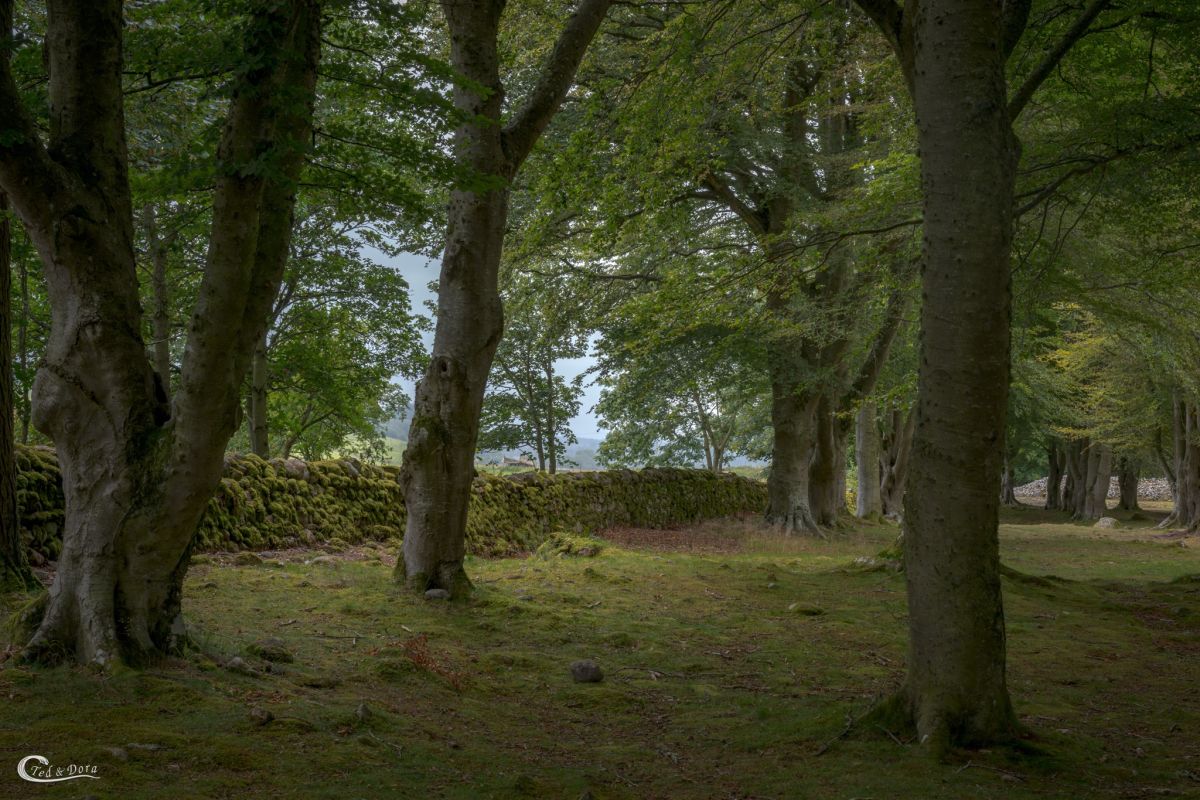
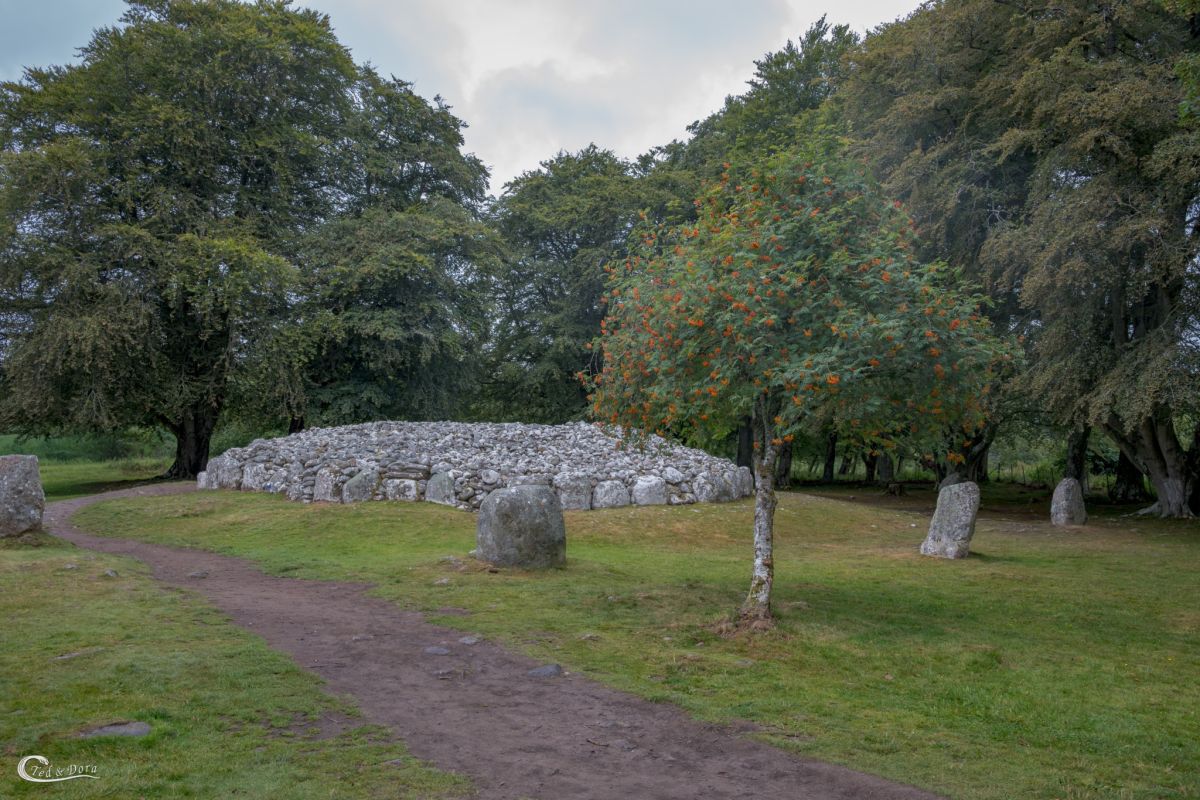
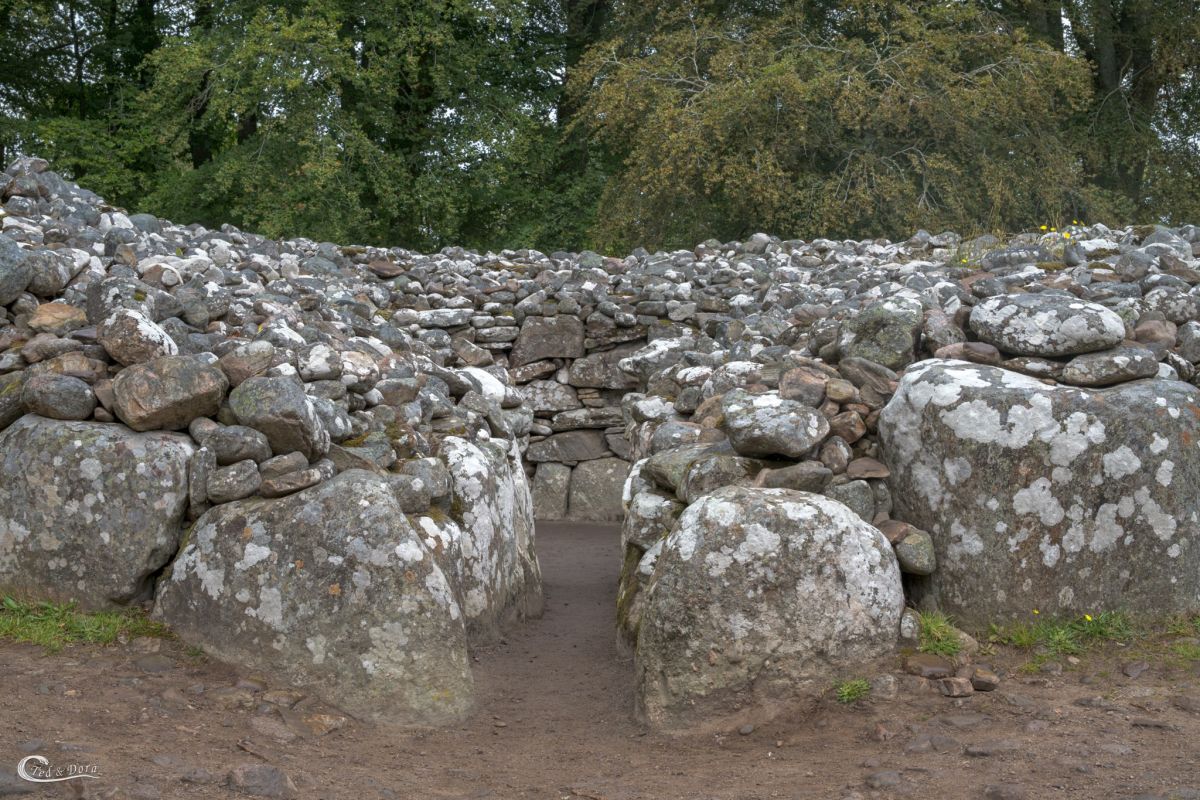
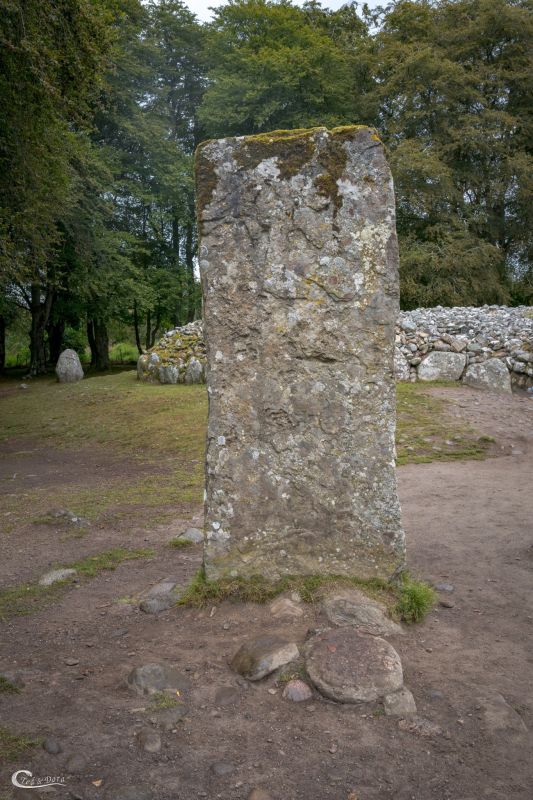
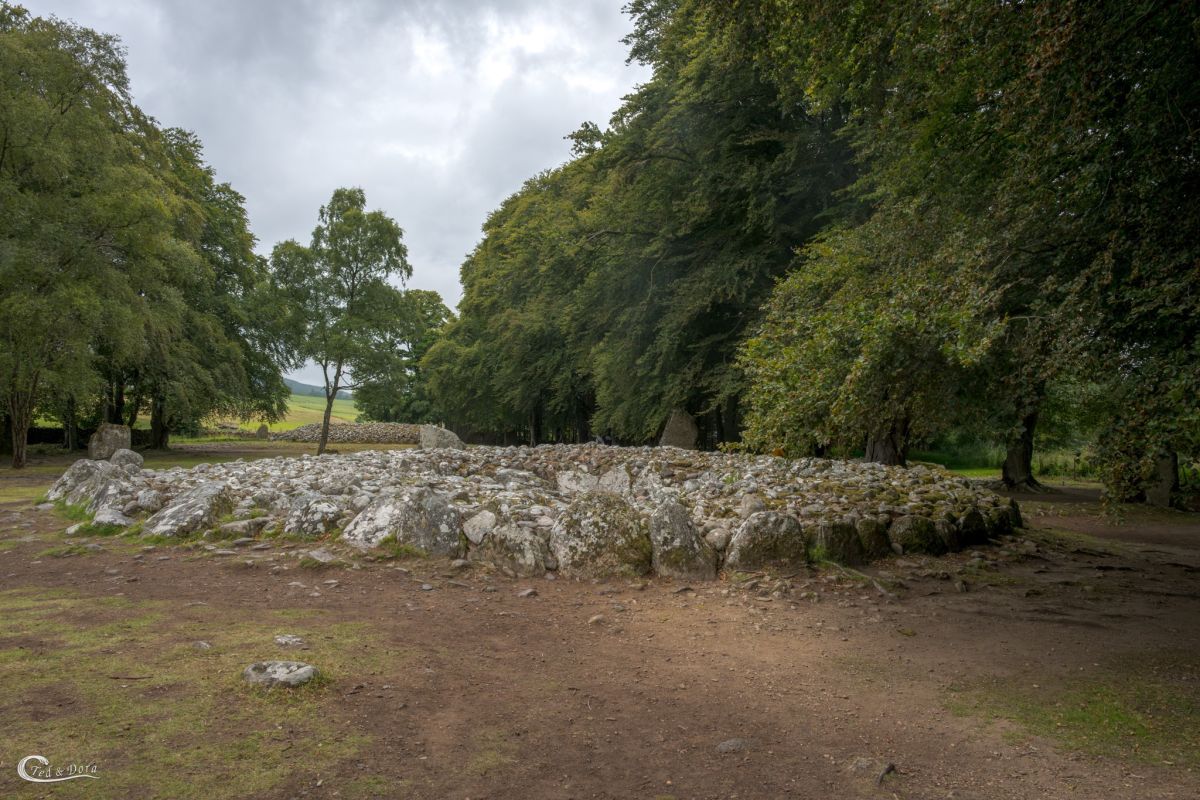
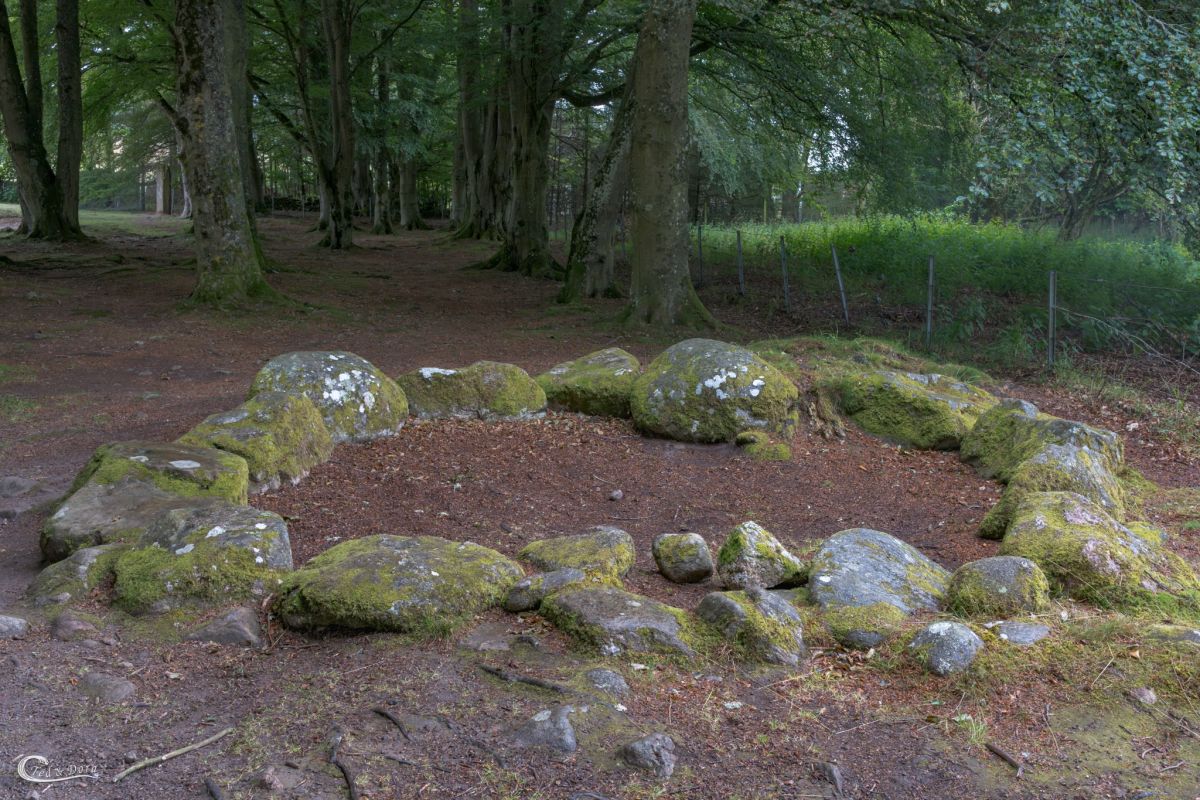
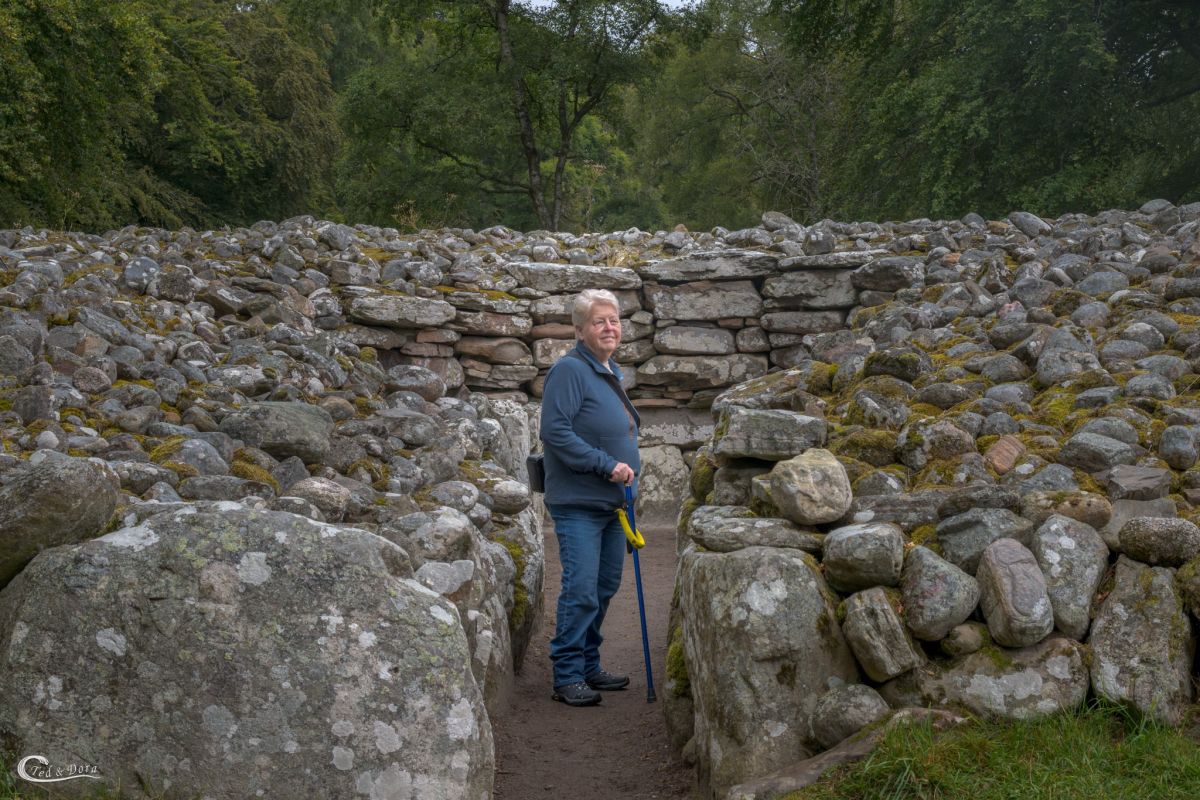
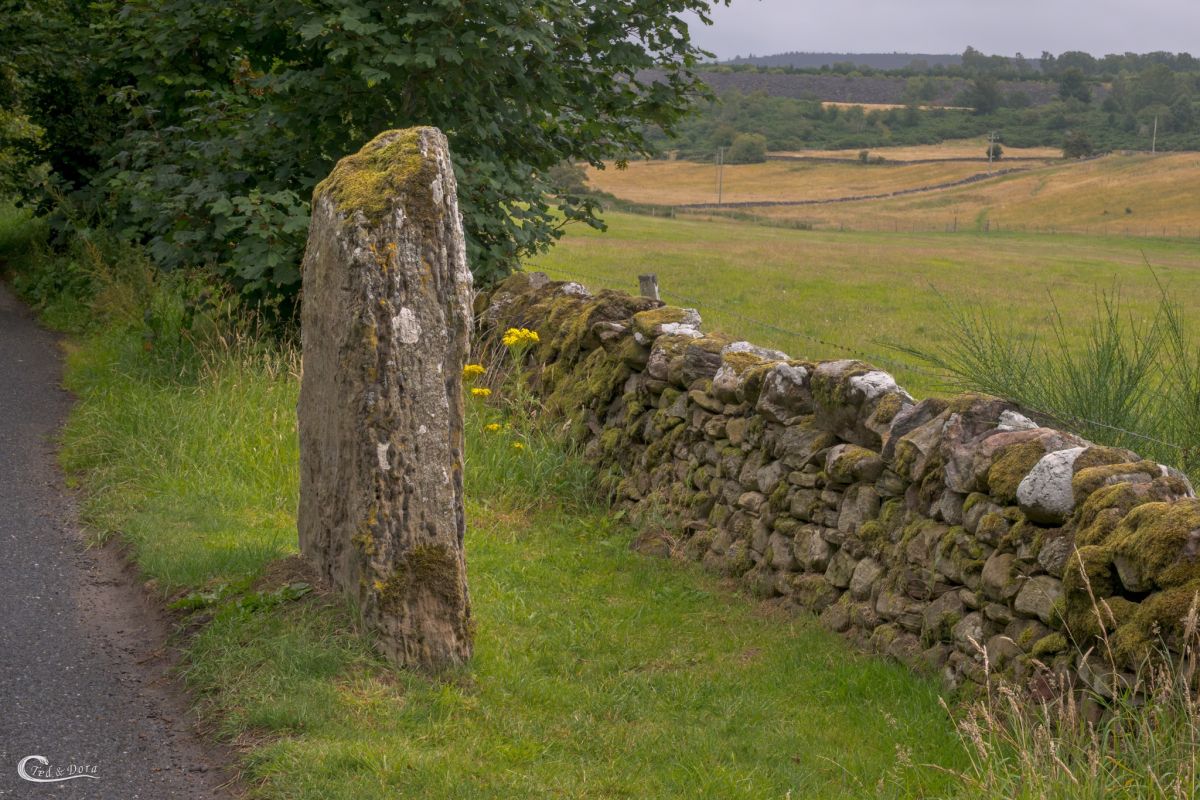
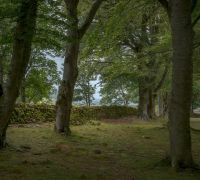
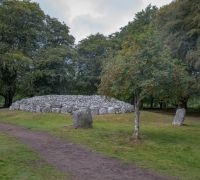
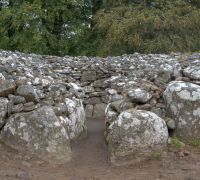
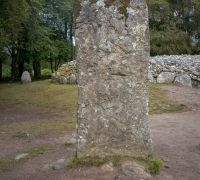
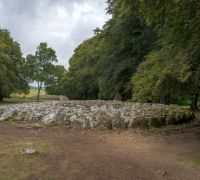
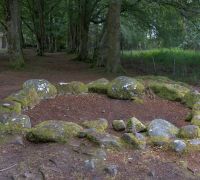
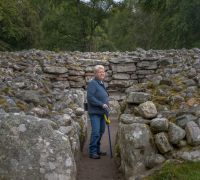
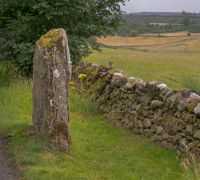
Our final stop of the day was Balnuaran of Clava. Clava Cairns is a 4,000-year-old Bronze Age burial and stone circle site near Inverness, Scotland.
Time to head back to the ship for the next port of call.
Click Here to Return to Story